
Department of Biochemistry
Overview
Department of the Biochemistry was started in 2006 as a part of Sri Manakula Vinayagar Medical College and Hospital, Puducherry. It is involved in teaching theoretical knowledge and skills related to biochemical pathways of humans and biochemical investigations and tests related to diseases. It renders its diagnostic services to the hospital patients through Clinical Biochemistry Laboratory with latest diagnostic instruments.
Vision
Mission
- To enable students to understand the scientific basis of life processes at the molecular level and orient them towards the application of knowledge acquired , in solving clinical problems.
- To acquire basic practical skills for biochemical investigations in order to support clinical diagnosis of common disorders in the community.
- To promote research activities and continual medical education programme to acquire knowledge in recent advances in biochemistry.
Program Specific Outcomes (PSOs)
Program Specific Outcomes (PSOs)-UG
- PSO1-Understand the biochemical basis of health
- PSO2-Understand the biochemical basis of diseases and their complications
- PSO3-Understand the molecular aspects of cellular events
- PSO4-Understand the genetic basis of diseases and their diagnosis
- PSO5-Understand the nutritional importance of in health and diseases
- PSO6-Understand the basis and rationale of Biochemical laboratory tests
- PSO7-Demonstrate the ability to interpret the laboratory investigation results in clinical context
Program Specific Outcomes (PSOs)-PG
At the end of the MD training program in Biochemistry, the post graduate student should be able to:
- Explain clearly concepts and principles of biochemistry and cell biology, including correlations of these with cellular and molecular processes involved in health and disease.
- Develop skills as a self-directed learner, recognize continuing educational needs; use appropriate learning resources and critically analyze relevant published literature in order to practice evidence-based biochemistry.
- Demonstrate competence in basic concepts of research methodology and epidemiology.
- Effectively teach biochemistry to undergraduate students in medicine and allied health science courses to make them competent health care professionals.
- Develop the desired managerial and leadership skills and function as a productive member of a team engaged in health care, research and education.
- Provide clinicians with consultation services for diagnostic tests in biochemistry and in interpretation of laboratory results.
- Demonstrate skills in documentation of reports.
- Conduct Clinical and Molecular research which has an impact on the patient health care and treatment modalities.
- Carry out a research project from planning to publication and be able to pursue academic interests and continue life-long learning to become more experienced in all the above areas and to eventually be able to guide postgraduates in their thesis work.
Program Specific Outcomes (PSOs) - PG
- PEO1-Acquisition and transfer of knowledge, skills, attitude and professionalism to undergraduate and postgraduate students for quality care and outcome
- PEO2-Acquire, conduct, interpret, publish and translate knowledge and skills relevant in improving the contemporary medicine.
- PEO3-Coordinate, communicate and collaborate with national and international networks to update and disseminate information related to human well being
Faculty List
| S. No. | Faculty Name | Designation | Department |
| 1 | Dr. Jeyakumar. M | Professor and Head | Biochemistry |
| 2 | Dr. Divya. C | Professor | Biochemistry |
| 3 | Dr. Syed Osman Basha | Professor | Biochemistry |
| 4 | Dr. Manikkumar | Associate Professor | Biochemistry |
| 5 | Mr. Balakrishna Pai. R | Assistant Professor | Biochemistry |
| 6 | Dr. Augustiya. N | Assistant Professor | Biochemistry |
| 7 | Dr. Suganya | Assistant Professor | Biochemistry |
| 8 | Dr. Sathiya. R | Assistant Professor | Biochemistry |
| 9 | Dr. Sridhar Maddina | Assistant Professor | Biochemistry |
| 10 | Dr. Yuvaraj. K | Tutor | Biochemistry |
| 11 | Dr. Sona Y S | Tutor | Biochemistry |
| 12 | Dr. Vishnu Priyan T | Tutor | Biochemistry |
| 13 | Dr. Anbusurenthar. J. P | Tutor | Biochemistry |
| 14 | Dr. Sabari Rajan | Tutor | Biochemistry |
| 15 | Ms. Komalavalli | Tutor | Biochemistry |
| 16 | Dr. Ramesh Kumar | Tutor | Biochemistry |
| 17 | Dr. Jayanth. K | Tutor | Biochemistry |
| 18 | Dr. Hariharasudhan | Tutor | Biochemistry |
| 19 | Dr. Monika. M | Tutor | Biochemistry |
Facilities
Library
b) Student Practical Lab:
c) Clinical Biochemistry Laboratory (CBL):
National Accreditation Board for Testing and Calibration Laboratories (NABL) Accredited:
Hospital Information System (HIS):
Internal Quality Control (IQC):
External Quality Assurance Scheme (EQAS):
Equipments available in Clinical Biochemistry Laboratory:
- Fully Automated chemistry Analyzer (Biolis 50i, CPC Diagnostics)
- Fully Automated chemistry Analyzer (Turbochem Prime, CPC Diagnostics)
- Fully Automated Chemiluminescence Immuno Assay Analyzer (iFlash 1800, CPC Diagnostics)
- Fully Automated Chemiluminescence Immuno Assay Analyzer (Centaur XP -Siemens)
- HbA1c Analyser (Mispa i2, Agappe)
- HbA1c Analyser (Adams A1c Lite, Arkray)
- Arterial Blood Gas Analyzer (ABL-80, Radiometer)
- Arterial Blood Gas Analyzer (ABL-80, Radiometer)
- Electrolytes Analyser (Rapidchem-744; Siemens)
- Electrolyte Analyser (Turbolyte, CPC Diagnostics)
- Semi Automated Analyzer (Microlab-300; Merck)
- ELISA Reader (Mios mini; Merck)
- Centrifuge (capacity: 64 buckets) (Neya -Remi)
Equipment available in Department of Biochemist
- Chromatography chamber (paper & thin layer)
- Electrophoresis with power pack
- Spectrophotometer
- Digital photoColorimeter
- pH meter
- Flame photometer with compressor
- ELISA Reader with washer
- Centrifuge
- Electronic weighing balance
- Triple beam balance
- Hot air oven
- Incubator
- Microscope – Binocular & Monocular
- Heating mantle
- Magnetic stirrer
- Vortex mixer
- Constant temperature water bath
- Water bath – single wall type
- Water bath – double wall type
- Physical balance
- Thermometers (0°C -250°C & 0°C -110°C)
- Electrophoretic chamber with power pack
- Single istillation plant – steel
- Micropipettes
Central Research Laboratory
| Sl. No | NAME OF THE INSTRUMENT | BRAND |
| 1 | (HPLC) 1220 Infinity LC | Agilent Technologies |
| 2 | Gel Documentation System | Cleaver Scientific |
| 3 | ELISA reader | BIO-RAD – iMark |
| 4 | Thermal cycler (labnet) | Labnet |
| 5 | Gradient thermal cycler (Bio-Rad T100) | BIO-RAD |
| 6 | Cooling Centrifuge | Remi-C-24BL |
| 7 | Research Centrifuge | Remi-R-24 |
| 8 | Electrophoresis apparatus | Hoefer |
| 9 | Spectrophotometer | Labman |
| 10 | BOD Incubator | Technico |
| 11 | pH Meter | Hanna |
| 12 | -20 Refrigerator | Blue Star CHF2003 |
| 13 | Magnetic Stirrer with Hot plate | Spinot |
| 14 | Incubator | Technico |
| 15 | Refrigerator | Samsung |
| 16 | Refrigerator | Whirlpool |
| 17 | Bench top centrifuge | Remi-R8CBL |
| 18 | Bench top centrifuge | C-854/8 (2 No.) |
| 19 | Water bath | Niive NB-9 |
| 20 | Microwave Oven | IFB 17PG2S |
| 21 | Table top centrifuge | Remi-C85418 |
| 22 | Mini centrifuge (Eppendorf) | Tarsons |
| 23 | Microfuge (PCR tubes) | Tarsons |
| 24 | Vortexer | Tarsons |
Academics
Research
Publications
- Mathaiyan M, Suresh A, Balamurugan R. Binding property of HIV p24 and Reverse transcriptase by chalcones from Pongamia pinnata seeds. Bioinformation. 2018;14(6):279.
- Mangaiyarkarasi T, Gopal R, Shivekar SS, Kaviraj M,Rajaraman R, Balamurugan R. Analysis of epidemiological and demographic component of dengue in rural Puducherry – A hospital based study. Indian Journal of Microbiology Research. 2019;6(3):225-228.
- Mathayan M, Suresh A, Balamurugan R, Jayaraman S. Immune Stimulation effects of Pongamia pinnata extracts, an In vitro Analysis. Research Journal of Pharmacy and Technology. 2020;13(1):308-312.
- Jain SA, Das S, Subashini M, Mahadevan K. Determination of the proportion of refractive errors in patients with primary complaint of headache and the significance of refractive error correction in symptoms relief. Indian Journal of Clinical and Experimental Ophthalmology. 2018;4(2):258-262.
- Ahamed AM, Kumar KS, Balasubramanian S, Lazarus SP, Vikram V. A Comparative Study on the Endotracheal Tube Cuff Pressure Changes between Supine and Prone in Patients Undergoing Prone Position Surgeries. Indian Journal of Anaesthesia and Analgesia. 2019;6(5):1599-1603.
- Dinesh Babu D, Vidjai Vikram S, Bala Subramanian S, Lazarus SP, Suresh Kumar K, Rajprasath R. A Study on the Effect of Lateral and Sitting Positions in Spinal Anesthesia for Cesarean Sections. Indian Journal of Anaesthesia and Analgesia. 2020;7(1) (Part-I):33–40.
- Ashida TS, Balamurugan R. Effect of Intracoronary Nicorandil compared to Nitroglycerin on Coronary Diameter and Hemodynamics following Balloon Dilatation during Elective PTCA. Journal of Cardiovascular Medicine and Surgery. 2019;5(2):57-60.
- Karthikeyan K, Polly D, Asmathulla S, Balamurugan R, Kaviraj M. Topical proline therapy in prolidase deficiency. Clinical and Experimental Dermatology. 2019;44(3):344-346.
- Murugaiyan R, Kaliyaperumal K, Rangasamy B. Prevalence and molecular characterization of human herpes virus 6 and 7 in patients with pityriasis rosea using polymerase chain reaction in a tertiary care hospital, Puducherry. International Journal of Research. 2019;5(4):728-731.
Events
- Central Research Laboratory in association with the Department of Biochemistry, Sri Manakula Vinayagar Medical College and Hospital organized a one day workshop on ‘DNA isolation and separation’ on 17th February 2023. The workshop offered training to 25 students from School of Allied Health Sciences on DNA isolation from whole blood sample and further separation by agarose gel electrophoresis.
- Second phase of the workshop on ‘DNA isolation and separation’ organized by CRL in association with the Department of Biochemistry, Sri Manakula Vinayagar Medical College and Hospital was conducted on 28th April 2023. The workshop offered training to 17 students from School of Allied Health Sciences.
Academics
Departmental Activities:
Undergraduate training
Includes lectures, tutorials, small group discussion, integrated class, early clinical exposure, seminars based and AETCOM on the syllabus prescribed by the NMC.
Teaching methods
- Competency based Lecture class
- Tutorial class
- Practical class & demonstration
- Integrated class (Horizondal & Vertical integration)
- Early clinical exposure
- Small group discussion: Clinical case-based chart discussion
- AETCOM class
- MCQ (clinical case based) training on LMS portal
- Academic enrichment by conducting Quiz program
- Concept mapping of inborn errors of metabolism
- Competency based Lecture class
- Tutorial class
- Practical class & demonstration
- Integrated class (Horizondal & Vertical integration)
- Early clinical exposure
- Small group discussion: Clinical case-based chart discussion
- AETCOM class
- MCQ (clinical case based) training on LMS portal
- Academic enrichment by conducting Quiz program
- Concept mapping of inborn errors of metabolism
Post Graduate training
Training of Postgraduates is an important part of departmental activities. The post graduates undergo full time residency program.
The objectives of the training course in MD Biochemistry are:
- Teach requisite knowledge to the under graduate medical students.
- To teach laboratory skills to other medical / paramedical team members.
- To carry out routine investigations, internal quality control measures and data analysis in Clinical Biochemistry Lab
- To do case presentations on regular diseases and work-up of rare laboratory findings
- To inculcate the principles of research methodology, so as to enable the resident to write scientific paper for thesis, publication in reputed journals and presentation in national and international conferences.
Teaching program
Teaching methods
- Seminar
- Journal Club
- Case discussion
- Theory and practical discussion
- Internal & external quality control – group discussion
- Peripheral posting in clinical departments
Research
Teaching methods
Faculties of department of Biochemistry have various projects in Molecular Biology, chronic diseases, autoimmune diseases & Endocrinology.
Publications:
- Asmathulla S, Rajagovindan D, Kasthuri TB, Vani G, Jakanattane V, Sathiyapriya V. Insulin Resistance : Its association with cardiovascular disease risk in pregnancy induced hypertension. Biomedicine 2010;30(4):554-559
- Asmathulla S, Koner BC, papa D. Does oxidative stress play a role in altered serum protein homeostasis in pregnancy – induced hypertension? Acta Physiol Hung 2011;98(3):339-46
- Asmathulla S, Rajagovindan D, Sathyapriya V, Pai B. Prevalence of prehypertension and its relationship to cardiovascular disease risk factors in Puducherry. Indian J Physiol Pharmacol 2011;55(4):343-50
- Sasmita Mishra, P. Padmanaban, G.N. Deepti, G.Sarkar, S. Sumathi, B.D.Toora- Serum Magnesium and Dyslipidemia in Type-2 Diabetes Mellitus, Biomedical Research 2012; 23 (2): 295-300
- Asmathulla S, Ragunathan, Ramchandar and Rajarajeswari R. Assessment of Ischemic Heart Disease and its Risk Factors among Asymptomatic Hospital Visitors. International Journal of Biomedical And Advance Research.2013;4(6):414-19
- Asmathulla S, Rupavani, Kripa, Rajarajeswari Insulin Resistance and its relation to Inflammatory Status and Serum Lipids among Young women with PCOS. IJRCOG. 2013;2(3):325-329
- Ashok V, Sumathi S, Asmathulla S, Divya R, Chandra S. Evaluation of lipid levels and physical fitness in Euthyroid and Hypothyroid states. National Journal of Basic Medical Sciences. 2014;4(2):123-127
- Sakthibalan M, Maruti Sawadkar S, Asmathulla S, Erli Amel Ivan, Muthu G. Study of Cardio protective effect of N-acetylcysteine, Vitamin C and enalapril given in combination to prevent doxorubicin induced cardio Toxicity in wistar rats. Journal of Pharmaceutical and Biomedical Sciences. 2013 November; 36(36): 1902-1908.
- Deepti GN, Lakshmi K, Sumathi S. Study on Microalbuminuria in apparently normal postmenopausal women. Asian Journal of Pharmaceutical and Clinical research. 2014;7:87-89
- Abeetha S, Mitali Srivatsava, Shivali Srivatsava. Progression of acute transverse myelitis to multiple sclerosis: A case report. IJBAMR. 2014;3(3):233-236
- Swithraa C, Sumathi S, Asmathulla S, Annapoorna. Evaluation of oxidative stress and protein bound sialic acid in diabetes with and without retinopathy. International journal of Recent Trends in Science and Technology. November 2014; 13(1): 183- 186.
- Mitali Srivastava, Annapurna Kumar, Sumathi S. Association of Lipid Profile with Severity of Retinopathy in Patients with Type 2 Diabetes Mellitus. Journal of Research in Medical Education and Ethics. November 2015.
- Abeetha S, Shiva YogappaTeli, Mitali Srivastava, Divya R, Ashok V. Can sleep deprivation make us sweeter? International Journal of Healthcare & Biomedical Research. 3 (3), April 2015, 69-76.
- Mitali Srivastava, Abeetha, Shivali Srivastava. Posterior Inferior Cerebellar Artery Syndrome (Wallenberg Syndrome) – a case report. International J. of Healthcare and Biomedical Research, Vol.3(2), January 2015, 76-79.
- Hariharan A, Asmathulla S, Suresh S. Does hypovitaminosis D have a role in lipid profile alteration among non-obese diabetics? International Journal of Recent Trends in Science and Technology. August 2015; 16(1): 45-48
- Srivatsan R,Asmathulla S, Girija S. How Accurate is the Pulse Oximetry Reading in an Intensive Care Setup? Int J Pharm Bio Sci. 2015 Oct;6(4):1069-76
- Srivatsan R, Asmathulla S, Girija S. Hepatic and Renal Biochemical Markers as predictors of mortality among critically ill Systemic Inflammatory Response Syndrome patients. Ind J Clin Biochem (published online in February 2018)
- Vinod Babu S, Santhi Silambanan, Krithika B. Osazones of the Uncommonly Encountered Reducing Sugars. International Journal of Interdisciplinary and Multidisciplinary Studies (IJIMS). 2015;2(9):24-29.
- Karthikeyan, D.Polly, S.Asmathulla, R. Balamurugan, M. Kaviraj. Topical proline therapy in prolidase deficiency. Clinical and Experimental Dermatology. (Accepted for publication 17 February 2018)
| S. No | Title of the paper | Name of the author (First/corresponding) | Department | Name of the journal | Date of Acceptance | Date of publication | Year | ISSN number | Link of the recognition in UGC enlistment of the Journal | Name of the indexing database | Type |
| Dr.Kulkarni Sweta 2023 | |||||||||||
| 1 | Competency Based Biochemistry Textbook for Medical Biochemistry As Per NMC Guidelines | Dr.Kulkarni Sweta | Biochemistry | EMMESS Medical Publishers | 01-08-2023 | 01.01.2023 | 2023 | ISBN No: 978-93-93885-51-7 | Text book | ||
| Dr. Jeyakumar 2023 | |||||||||||
| 2 | Utility of Biochemical Markers in Predicting Severe COVID-19: Experience from a Tertiary Hospital in South India | JeyaKumar Manavalan | Biochemistry | Journal of the International Federation of Clinical Chemistry and Laboratory Medicine | 02.06.2023 | 08.08.2023 | 08.08.2023 | eISSN 1650 – 3414 | https://www.ncbi.nlm.nih.gov/pmc/articles/PMC9562479/ | Pubmed, Medline | Original Research article |
| Mr. Balakrishna Pai 2023 | |||||||||||
| 3 | Role of Lactate Dehydrogenase Among COVID-19 Patients at Admissions | Balakrishna Pai | Biochemistry | International Journal of Medical Science and Current Research | 19.03.2023 | 25.03.2023 | 2023 | 2099-2870 (Print); 2209-2862 (online) | https://www.ijmscr.com | Pub Med Scope Med Google Scholar | Research |
| Dr.B. Ramya 2023 | |||||||||||
| 4 | A curious case of abnormally elevated Creatine Kinase in Rhabdomyolysis. Int Clinc Med Rep Jour. 2023;2(9):1-2 | Ramya Badrachalam | Biochemistry | International Clinical and Medical Case Reports Journal | 22.03.2023 | 24.03.2023 | 2023 | 2832 5788 | https://salientvisionarypub.com/journal/international-clinical-and-medical-case-reports-journal | PubMed Central | Case report |
| 5 | An update on diagnosis and therapeutics for type-2 diabetes mellitus. 2023;19(3):295-298 | Ramya Badrachalam | Biochemistry | Bioinformation | 31.03.2023 | 31.03.2023 | 2023 | 0973 2063 | https://bioinformation.net/ | PubMed Web of Science | Original article |
| 6 | Phytochemical cocktail of Asanadi gana extract in the management of diabetes. Bioinformation.2023;19(3):299-307 | Ramya Badrachalam | Biochemistry | Bioinformation | 31.03.2023 | 31.03.2023 | 2023 | 0973 2063 | https://bioinformation.net/ | PubMed Web of Science | Original article |
| 7 | Effect of β-Caryophyllene on oxidative stress, glucose metabolism in the skeletal muscle of high fat diet and fructose-induced type-2 diabetic adult male rats. Bioinformation.2023;19(4):417-422. | Ramya Badrachalam | Biochemistry | Bioinformation | 30.04.2023 | 30.04.2023 | 2023 | 0973 2063 | https://bioinformation.net/ | PubMed Web of Science | Original article |
| 8 | Vitamin D receptor (BsmI) gene polymorphism and allele frequency among chronic kidney disease patients in south Indian population. Bioinformation.2023;19(4):380-384. | Ramya Badrachalam | Biochemistry | Bioinformation | 30.04.2023 | 30.04.2023 | 2023 | 0973 2063 | https://bioinformation.net/ | PubMed Web of Science | Original article |
| Dr.Suganya 2023 | |||||||||||
| 9 | Role of Lactate Dehydrogenase Among COVID-19 Patients at Admissions | Dr.Suganya | Biochemistry | International Journal of Medical Science and Current Research | 19.03.2023 | 25.03.2023 | 2023 | 2099-2870 (Print); 2209-2862 (online) | https://www.ijmscr.com | Pub Med Scope Med Google Scholar | Research |
Department of Biochemistry 2022
| S. No | Title of the paper | Name of the author (First/corresponding) | Department | Name of the journal | Date of Acceptance | Date of publication | Year | ISSN number | Link of the recognition in UGC enlistment of the Journal | Name of the indexing database | Type |
| Dr.Jeyakumar | |||||||||||
| 1 | Utility of biochemical markers in predicting severe COVID-19: experience from a tertiary hospital in South India | Dr.Jeyakumar | Biochemistry | 06-02-2022 | 08-08-2022 | 2022 | 131-144 | https://pubmed.ncbi.nlm.nih | Original article | ||
| Dr.B. Ramya | |||||||||||
| 1 | ―Prevalence of Vitamin D receptor gene polymorphism among Chronic Kidney Disease patients in Puducherry – A Cross Sectional study‖, | Dr. Ramya Badrachalam, | Biochemistry | International Journal of Medical Science & Innovative research | 01.06.2022 | 30.06.2022 | 2022 | 2458 868X | https://www.ijmsir.com/ | DOAJ Pub MedIndex Copernicus Google Scholar | Original article |
| 2 | A Study Of Association Between Neutrophil – Lymphocyte Ratio And Proteinuria Among Chronic Kidney Disease Patients, May 2022, Volume 5, Issue 3, Page No: 602-608 | Dr. Ramya Badrachalam, | Biochemistry | International Journal of Medical Science & Innovative research | 01.05.2022 | 30.05.2022 | 2022 | 2209 2862 | https://www.ijmscr.com/ | Pub MedIndex Copernicus Google Scholar | Original article |
| Dr.Suganya | |||||||||||
| 3 | Kinetics of Liver Markers in a case of Bee Sting | Dr.Suganya | Biochemistry | Journal of Clinical and Medical Case Studies | 19.09.2022 | 28.09.2022 | 2022 | JCMCS 22-73485 | 10.4172/J.Clin Med Case Stud.7.6.001 | Google scholar | Case Study |
| Mr. Balakrishna Pai | |||||||||||
| 1 | Kinetics of Liver markers in a case of bee sting:A case report | Balakrishna pai | Biochemistry | Journal of Clinical & Medical case studies | 24-08-2022 | 28-09-2022 | 2022 | JCMCS-22-73485 | 10.4172/J.Clin Med Case Stud.7.6.001 | Google Scholar | Case Study |
| Mrs.Elakiya | |||||||||||
| 1 | Lipid Peroxidation And Antioxidants With Lipid Profile In Pulmonary Tuberculosis | Mrs. K. Elakiya | Biochemistry | International Journal of Medical Science and Current Research (IJMSCR) | 18-12-2022 | 26-12-2022 | 2022 | ISSN (Print): 2209-2870 ISSN (Online): 2209-2862 | www.ijmscr.com | Google scholar Scopemed | Research |
| Department of Biochemistry 2021 | |||||||||||
| S. No | Title of the paper | Name of the author (First/corresponding) | Department | Name of the journal | Date of Acceptance | Date of publication | Year | ISSN number | Link of the recognition in UGC enlistment of the Journal | Name of the indexing database | Type |
| Dr.B. Ramya | |||||||||||
| 1 | Effect of Caryophyllene on insulin resistance in skeletal muscle of high fat diet and fructose induced type -2 | Vadivel Mani,Ramya Badrachalam | Biochemistry | Bioinformation | 30.08.2021 | 31.08.2021 | 2021 | 0973 2063 | https://www.journalcra.com/ | PubMed Web of Science | Original article |
| 2 | Validation of parameters at the time of admission in COVID-19 patients: A Retrospective study. Int J Curr Res 2021;13(12):19861-19864. | Sandhya Sreenivasan,,Ramya Badrachalam | Biochemistry | International Journal of Current Research | 20.11.2021 | 29.12.2021 | 2021 | 0975 833X | https://bioinformation.net/ | DOAJI SIS cience Library Index | Original article |
| Department of Biochemistry 2020 | |||||||||||
| S. No | Title of the paper | Name of the author (First/corresponding) | Department | Name of the journal | Date of Acceptance | Date of publication | Year | ISSN number | Link of the recognition in UGC enlistment of the Journal | Name of the indexing database | Type |
| Dr.Kulkarni Sweta | |||||||||||
| 1 | Efficacy of In-House Quality Control Material Compared to Commercially Available Quality Control for Thyroid Hormone. International Journal of Life science and Pharma Research | V. Kuzhandai Velu1*,Dr. Kulkarni Sweta2 | Biochemistry | International Journal of Life science and Pharma Research | 2020 | 12:191-195 | 10.1055/s-0040-1721151 | Original Research article | |||
| 2 | Efficacy of pooled serum internal quality control in comparison with commercial internal quality control in clinical biochemistry laboratory. J Lab Physicians:2020:12:191-195 | Dr.Kulkarni S, Pierre SA, Kaliaperumal R. | Biochemistry | J Lab Physicians: | 2020 Dec | 2020 | 12:191-195 | 10.1055/s-0040-1721151 | Original Research article | ||
| 3 | Risk assessment of pre-analytical errors and their impact on patient safety in a tertiary care centre in South India . IP Journal of Diagnostic Pathology and Oncology 2020;5(4):1–4 | Venkat Raghavan A.T.M, Kulkarni S | Biochemistry | Journal of Diagnostic Pathology and Oncology | 01-12-2020 | 2020 | 2020;5(4):1–4 | 10.1055/s-0040-1721151. | Original Research article | ||
| 4 | Establishment of reference ranges for thyrotropin and free thyroxin for neonates of Bangalore city. Biomedicine: 2020; 40(2): 143- 147 | Gaurav R,Silvia WDR, Kulkarni S, | Biochemistry | Biomedicine | 11.11.2020 | 2020 | 40(2): 143- 147 | https://doi.org/10.51248/.v40i2.59 | Original Research article | ||
| 5 | The putative role of thyroid hormones and vitamin D on severity and quality of life in psoriasis Int J App Basic Med Res 2020;10:173-7. | Sweta K, Freeda MM | Biochemistry | Int J App Basic Med Res | 11.07.2020 | 2020 | 10:173-7. | 10.4103/ijabmr.IJABMR_437_19. | Original Research article | ||
| Dr.Jeyakumar | |||||||||||
| 1 | Diagnostic Utility of Procalcitonin and Neutrophil-Lymphocyte Ratio in Bacterial Septicaemia – A Retrospective Case Control Study from a Tertiary Care Institute | Dr.Jeyakumar | Biochemistry | Journal of evidence based medicine and health care | 10-10-2020 | 30-11-2020 | 2020 | pISSN – 2349-2562, eISSN – 2349-2570 | DOI: 10.18410/jebmh/2020/585 | DOAJ, Index copernicus | Original Research article |
| Mr. Balakrishna Pai | |||||||||||
| Reflection of Teaching Learning &Assessment during Covid 19 | Balakrishna Pai | Biochemistry | National journal of Integrated Research in Medicine | June | July August | 2020 | eISSN-0975-9840 pISSN 2230-9968 | CopernicusNational library of medicine catalogueGoogle Scholar | Medical education | ||
| Miss.J Jasmine Manna Rani | |||||||||||
| 1 | Increased osteoprotegerin level is associated with impaired cardiovagal modulation in type-2 diabetic patients treated with oral antidiabetic drugs | J Jasmine Manna Rani | Biochemistry | BMC Cardiovascular Disorders | 06.10.2020 | 20.10.2020 | 2020 | 1471-2261 | 10.1186/s12872-020-01729-1 | Pubmed | Original article |
| Department of Biochemistry 2019 | |||||||||||
| S. No | Title of the paper | Name of the author (First/corresponding) | Department | Name of the journal | Date of Acceptance | Date of publication | Year | ISSN number | Link of the recognition in UGC enlistment of the Journal | Name of the indexing database | Type |
| Dr.Kulkarni Sweta | |||||||||||
| 1 | Role of serum microRNA-499 as a diagnostic marker in acute myocardial infarction. Cor et Vasa 2019, 61(3):e272- | Dr.Kulkarni Sweta | Biochemistry | Cor et Vasa | 29.5.2018 | 21.06.2019 | 2019 | 61(3):e272- | DOI: 10.1016/j.crvasa.2018.03.008 | Original Research article | |
| 2 | Evaluation of single‑nucleotide polymorphisms of transcription factor 7‑like 2 and ATP2B1 genes as cardiovascular risk predictors in chronic kidney disease. Int J App Basic Med Res 2019;9:221-5. | Dr.Kulkarni Sweta | Biochemistry | Int J App Basic Med Res | 2019 | 2019;9:221-5. | 10.4103/ijabmr.IJABMR_92_19. | Original Research article | |||
| 3 | Competency based Practical Biochemistry Textbook for I MBBS 2019. Paras Medical Publishers. ISBN: 978-81-8191-518-4 | Dr.Kulkarni Sweta | Biochemistry | Paras Medical Publishers | 01.01.2020 | 2019 | 978-81-8191-518-4 | Text book | |||
| Dr.Jeyakumar | |||||||||||
| 1 | Study the correlation of iodine nutrition and autoimmunity among thyroid disorder children in Tamil Nadu | Suresh Pichandi, Jeyakumar M*,Janakiraman P, Ramadevi K | Biochemistry | MedPulse International Journal of Biochemistry | 12-07-2019 | 06.08.2019 | 2019 | Print ISSN: 2550-763X, Online ISSN: 2636-4573 | https://doi.org/10.26611/10021122 | Index Copernicus | Original Research article |
| 2 | Clinical Biochemistry Reports- Effective Tools for Early clinical Exposure in Improving the Interpretation Skills of First MBBS Students | K. Suganthy, M. Jeyakumar, P. K. Mohanty, B. Sumanth Kumar, A. Kavitha | Biochemistry | Journal of evolution of medical and dental sciences | 25-09-2019 | 07-10-2019 | 2019 | eISSN- 2278-4802, pISSN- 2278-4748 | DOI: 10.14260/jemds/2019/656 | Index Copernicus | Original Research article |
| 3 | Effect of Levetiracetam Monotherapy on Serum Cortisol Levels | M. Jeyakumar, A. Kavitha, Jeyanthi Arulneyam | Biochemistry | Journal of evolution of medical and dental sciences | 23-11-2019 | 09-12-2019 | 2019 | eISSN- 2278-4802, pISSN- 2278-4748 | DOI: 10.14260/jemds/2019/789 | Index Copernicus | Original Research article |
Awards
Gold Medals in University Biochemistry Exams – UG:
| Year | Name of the students |
| 2006 – 2007 | Prathap Vasigar |
| 2007-2008 | Anisha Mohan |
| 2008-2009 | Dhanika Suresh |
| 2009-2010 | Magesh. P |
| 2010-2011 | Inparasi. G |
| 2011-2012 | Bhagya Laxmi. C |
Webinar on Bridging knowledge and Innovation - Role of ICMR - STS in Medical Research
a) University ranks by UG students:
| Year | University Ranks |
| 2006 – 2007 | I , 2 , 4 , 6 7, 8 & 9 |
| 2007-2008 | 1,2,3,4,5,6,7 , 9 & 10 |
| 2008-2009 | 1,2,3,5,6,9 & 10 |
| 2009-2010 | 1 |
| 2010-2011 | 1 |
| 2011-2012 | 1,3 |
b) Number of Distinctions secured and Pass percentage of UG students:
| Year | No. of Distinction | Pass percentage |
| 2006 – 2007 | 69 | 86 % |
| 2007-2008 | 58 | 85 % |
| 2008-2009 | 33 | 78 % |
| 2009-2010 | 82 | 87 % |
| 2010-2011 | 80 | 88 % |
| 2011-2012 | 59 | 79 % |
| 2012 – 2013 | 76 | 82 % |
| 2013 – 2014 | 66 | 93 % |
| 2014 – 2015 | 55 | 81 % |
| 2015 – 2016 | 73 | 99 % |
| 2016 – 2017 | 78 | 88 % |
| 2017 – 2018 | 76 | 93 % |
c) MED-BIOQUEST: Inter-college Quiz Competitions:
| Year | Prize | Name of the participant |
| MED-BIOQUEST – 2007 | First | Mr. Jaganattane Mr. Thiagarajan |
| MED-BIOQUEST – 2008 | First | Mr. Nivedhan Sundaram Ms. Shaaron |
| MED-BIOQUEST – 2009 | First | Ms. Dhanika Suresh Mr. Balamurugan |
| MED-BIOQUEST – 2010 | Second | Mr. Mahesh Mr. Arulselvan |
| MED-BIOQUEST – 2011 | Third | Mr. Hariprasad Ms. Inbarasi |
| MED-BIOQUEST – 2012 | First | Mr. Sibi Srivathsan Ms. Kanagalakshmi |
| MED-BIOQUEST – 2018 | First | Ms. Gopika I Ms. Nisha |
d) Faculty awards:
- S.Asmathulla, received the First Prize for his Best Poster Presentation on “Oxidative stress alters the plasma albumin homeostasis in pregnancy induced hypertension”, during the 33rd Annual Conference of the Clinical Biochemists of India held at AFMC, Pune, during 23rd to 26th of November 2006.
- S.Asmathulla received the Second Prize in the National Biochemistry Quiz conducted during the 33rd Annual Conference of the Clinical Biochemists of India (ACBI) held at AFMC, Pune, during 23rd to 26th of November 2006.
- R.Rajarajeswari, received First prize in Paper presentation for her paper on “Insulin resistance and inflammatory status related to thyroid hormones in hypothyroidism” during the 3rd National conference, SOBSICON, held at Karpaga Vinayagar Institute of Medical Sciences, Madhuranthagam, Kanchipuram, during 4th to 6th of January 2013.
- Balakrishna Pai R received the Best Oral presentation “P S Murthy award” on his paper titled “A study of SNPs of RAGE & its association with micro & macro vascular complications of T2DM in south Indian population during ACBI conference held at Mangalore from 12th to 15th Dec 2016
e) Achievements of Clinical Laboratory:
f) University Medals in PG Exams:
| Name of the Post graduate | Batch | University exam medal |
| Dr. Ashok | 2012 – 15 | Gold Medal |
Events
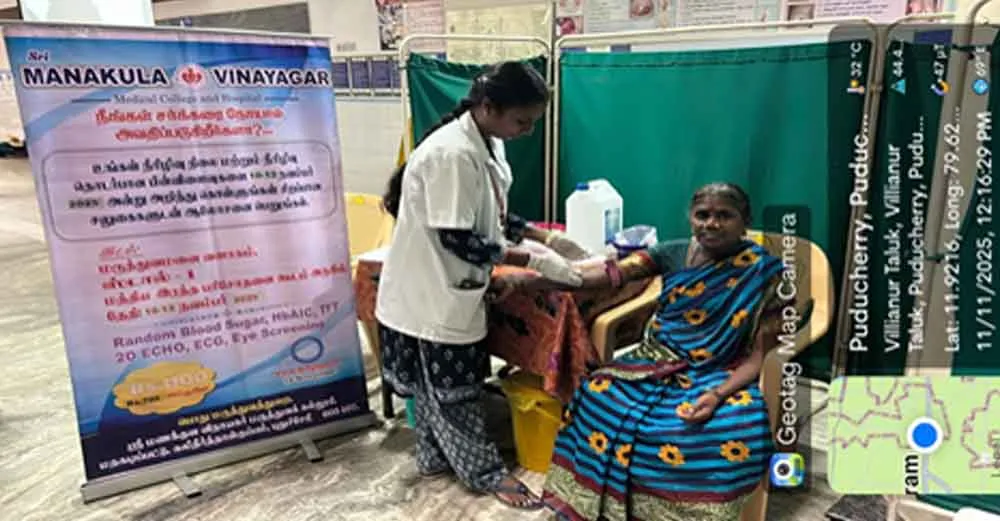
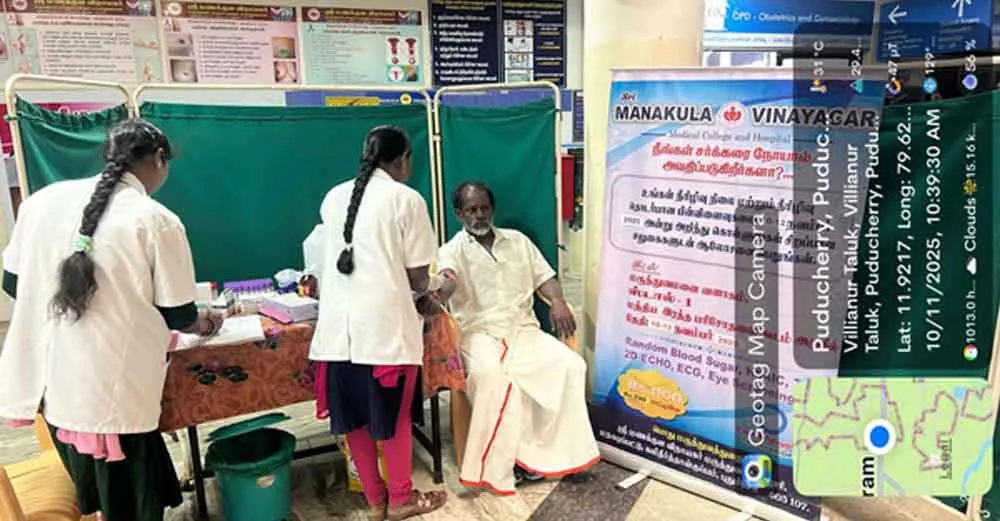
Event Report – World Diabetes Day Celebration 2025
Organized By: Department of General Medicine
Collaborating Department: Department of Biochemistry
Venue:Hospital Premises /Clinical Biochemistry Lab
Date: 10th – 12th November 2025
Time:09:30 -10:30 AM
Target Beneficiaries: Patients attending Medicine OPD
1. Introduction
2. Objectives of the Event
- To promote awareness of diabetes and its complications.
- To enable early diagnosis and monitoring among high-risk individuals.
- To encourage lifestyle modification and adherence to treatment.
- To support patient counselling through clinical and laboratory evaluation.
3. Activities Conducted
- Laboratory Screening (Department of Biochemistry)
- Laboratory tests were performed for <strong>29 patients</strong>, including:
| Category | Tests Performed |
| Glycemic Evaluation | Fasting Blood Glucose, Post-Prandial Blood Glucose |
| Renal Function | Urea, Creatinine |
| Lipid Assessment | Total Cholesterol, Triglycerides, HDL, LDL (Lipid Profile) |
| Long-term Glycemic Control | HbA1c |
| Thyroid Assessment | Thyroid Stimulating Hormone (TSH) |
4. Outcomes of the Programme
- Increased awareness among patients regarding diabetes prevention and complications.
- Identification of undiagnosed and poorly controlled diabetic cases for immediate medical follow-up.
- Improvement of patient compliance through counselling and laboratory-supported feedback.
- Strengthening of interdisciplinary teamwork between the Medicine and Biochemistry departments
5. Staff Involvement
6. Conclusion
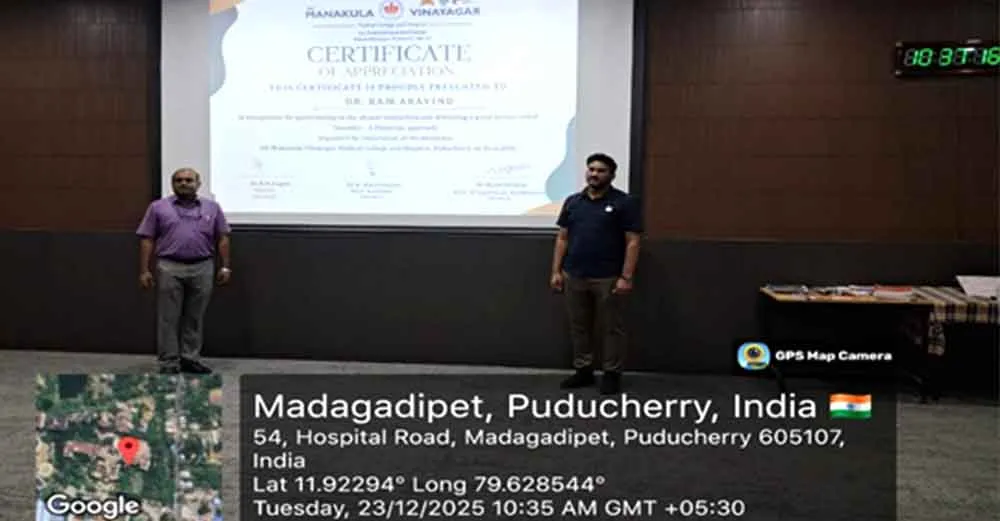
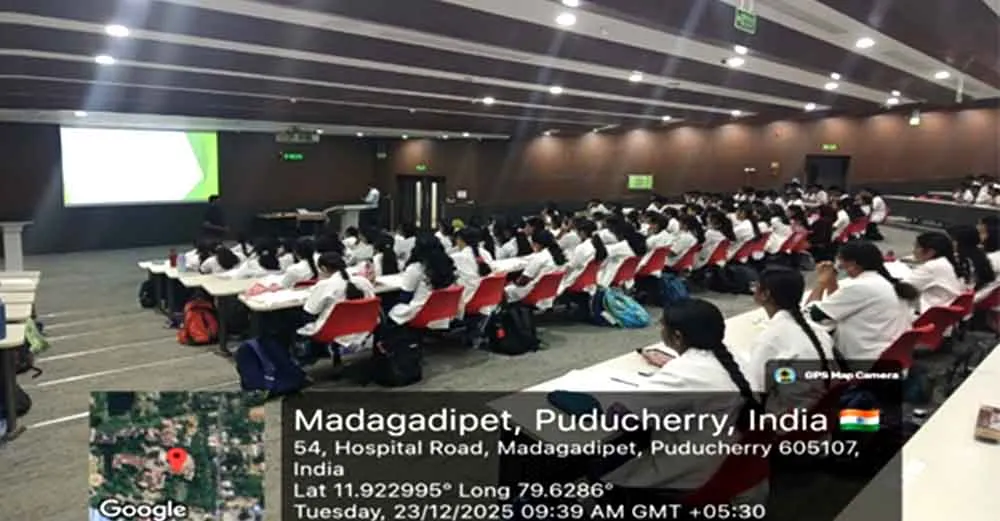
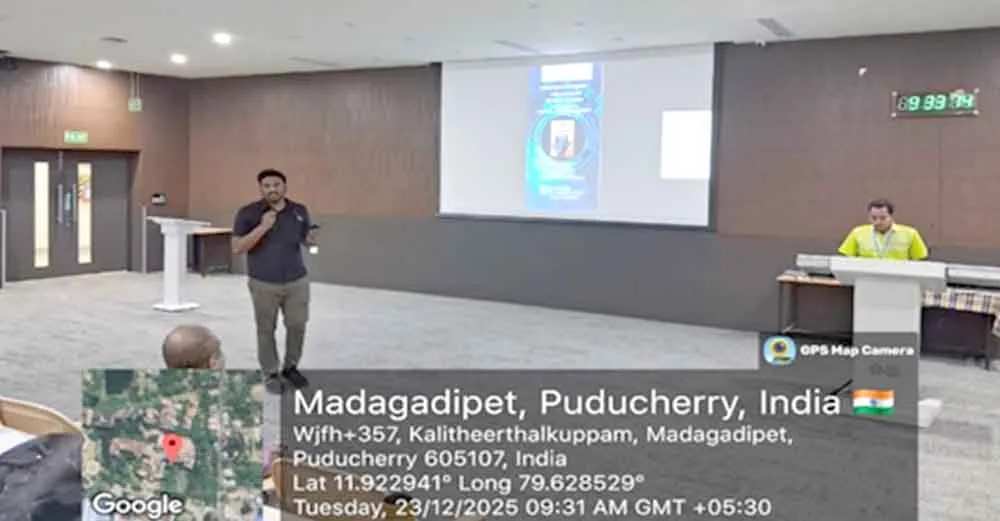
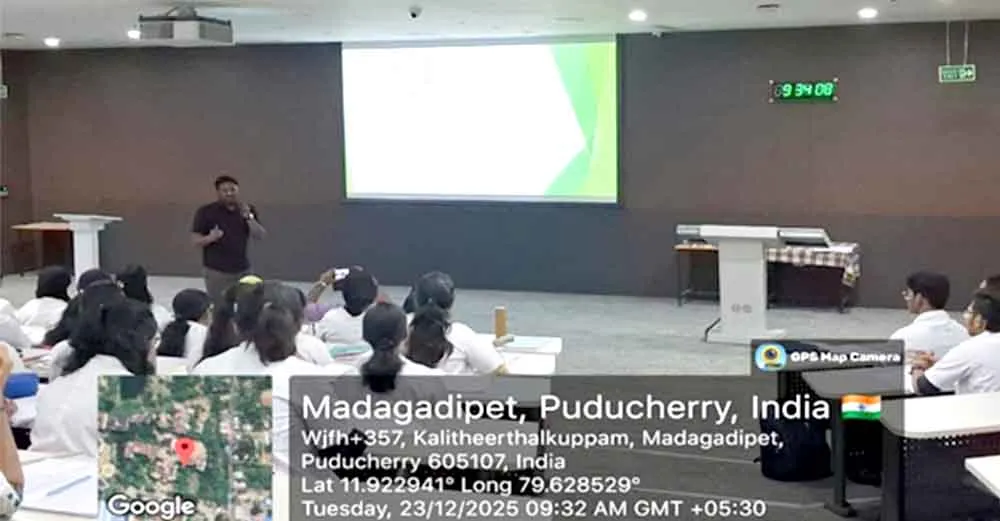
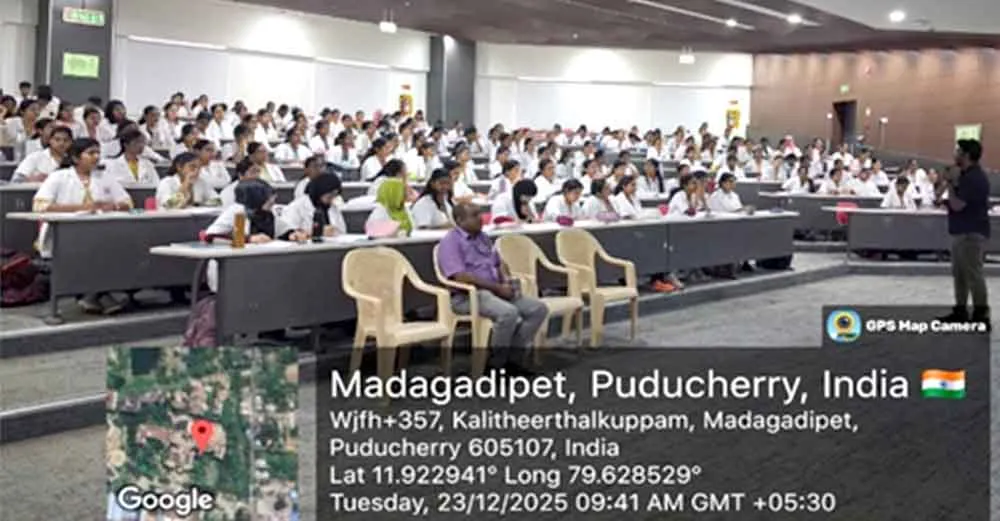
UG Alumni Interaction & Guest Lecture
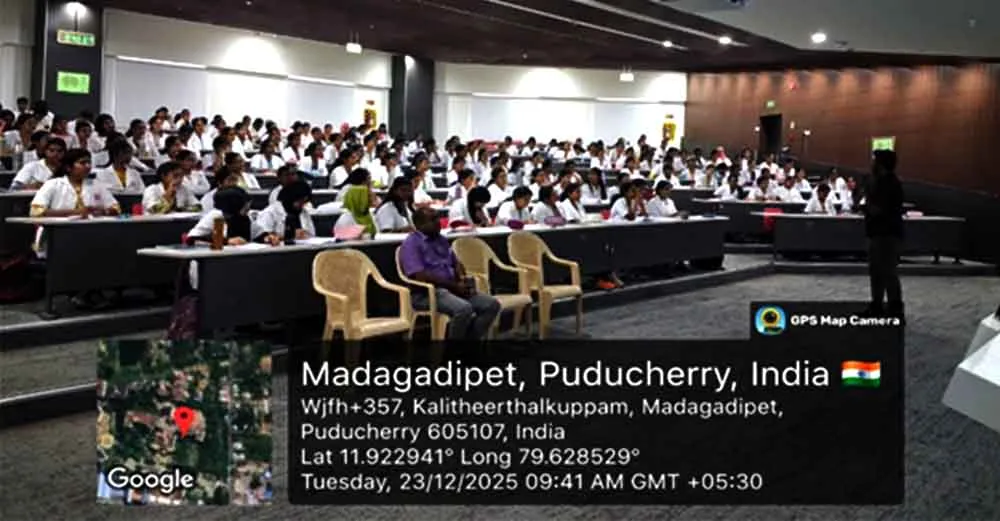
Organized By: Department of Bio- Chemistry (In Collaboration with IQAC)
Venue: Lecture Hall V
Date: 23-12-2025 Time: 09:30 -10:30 AM
Coordinator: Mr. Balakrishna Pai, Assistant Professor
Objectives:
- To provide students with an in-depth understanding of jaundice from a physician’s perspective.
- To enable students to gain insights into medical career paths and professional experiences through UG alumni interaction.
- To foster learning, mentorship, and professional networking among current students.
Guest Speaker: Dr. Ram Aravind, MD:
Participant Details: MBBS students (first year)
Total Participants: 245
Programme Overview:
Outcomes:
- Students gained a clear understanding of jaundice, including its types, pathophysiology, clinical features, and diagnostic approaches.
- Students learned to interpret laboratory investigations relevant to jaundice and apply findings in clinical decision-making.
Way Forward/Conclusion:
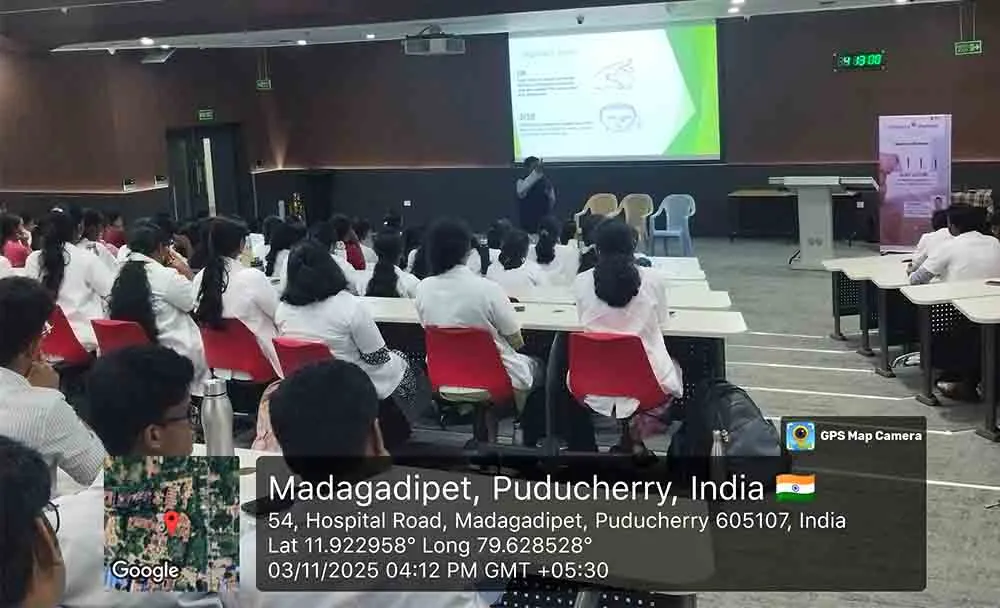
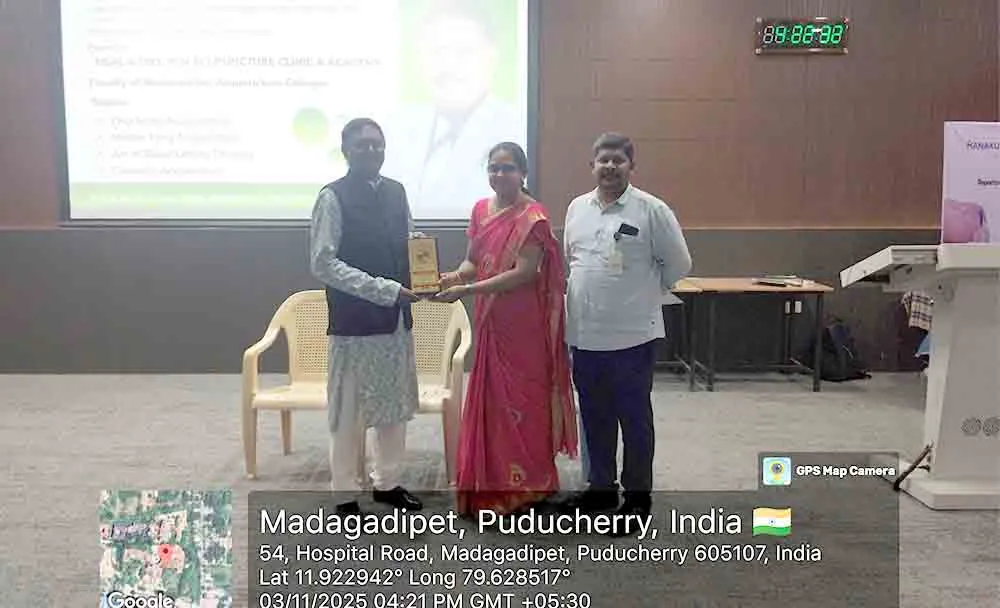
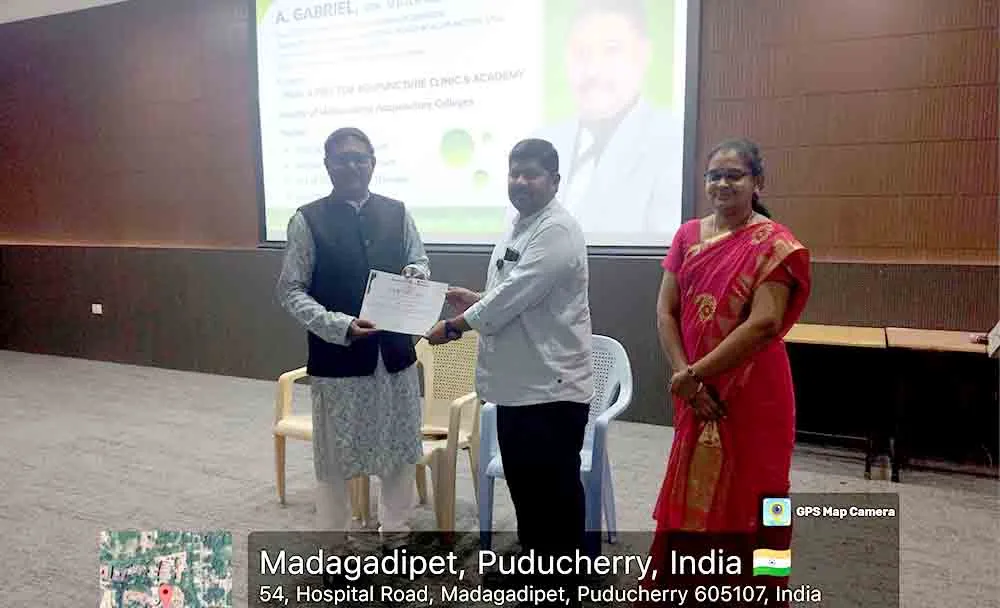
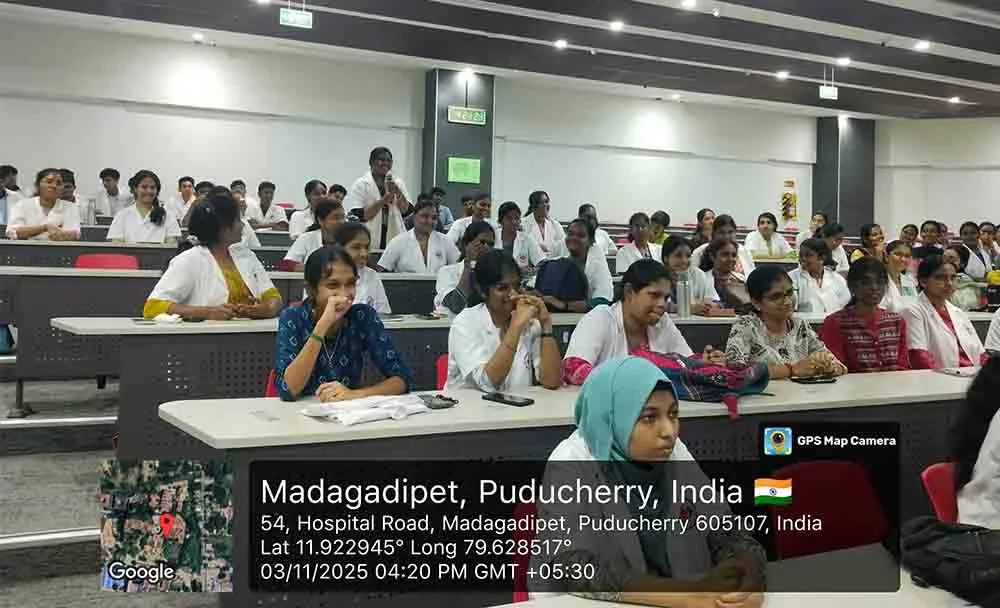
Introduction to Accupunture - Indian Knowledge system
Event Name: Guest Lecture on “An Insight to Acupuncture – Introduction to Indian Knowledge System”
Organized By: Department of Bio- Chemistry (In Collaboration with IQAC)
Venue: Lecture Hall V
Date: 13-11-2025
Time: 2.00 P.M – 03:00 P.M
Introduction
Objectives
- To introduce the fundamental concepts of acupuncture and its scientific basis.
- To create awareness about traditional healing practices.
- To highlight the relevance of acupuncture within the Indian Knowledge System.
- To expose students to alternative and complementary medicine.
- To promote holistic understanding of patient care.
Outcomes
- Students understood the basic principles and scientific basis of acupuncture.
- Participants gained awareness about the integration of traditional medicine with modern healthcare.
- Improved understanding of Indian Knowledge System components related to healing practices.
- Enhanced interest among students to explore alternative and complementary medical approaches.
- Encouraged interdisciplinary thinking and holistic healthcare perspectives.
Participation
Conclusion
Acknowledgement
The organizing departments sincerely thank Resource Person: Mr. A. Gabriel and the Management of SMVMCH for their support and encouragement. Gratitude is also extended to the supporting staff who contributed to the smooth execution of this program.
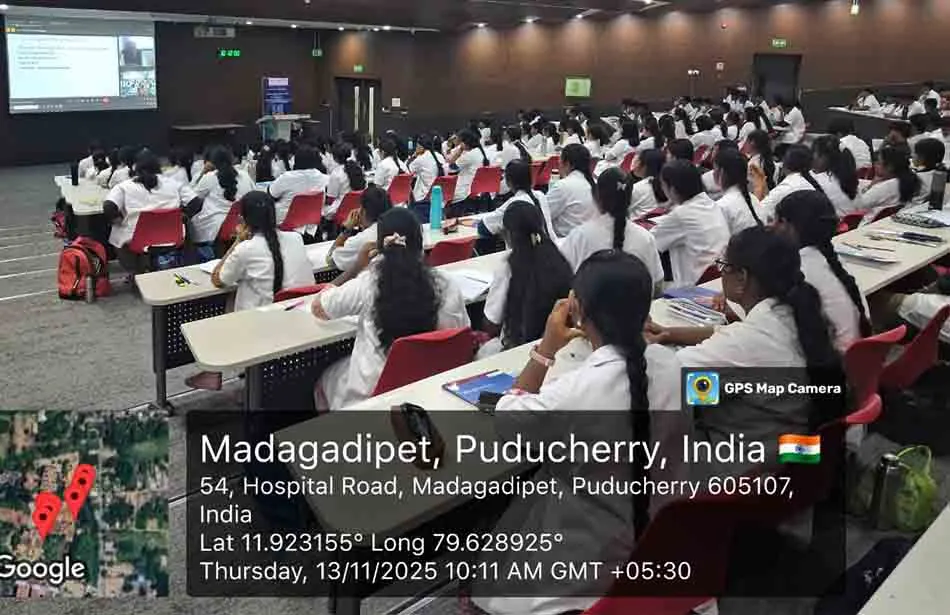
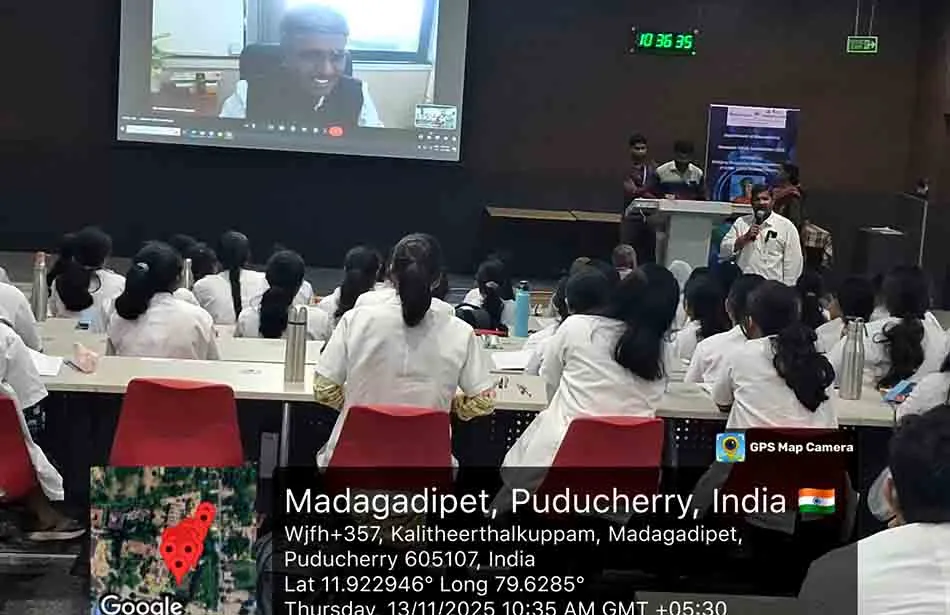
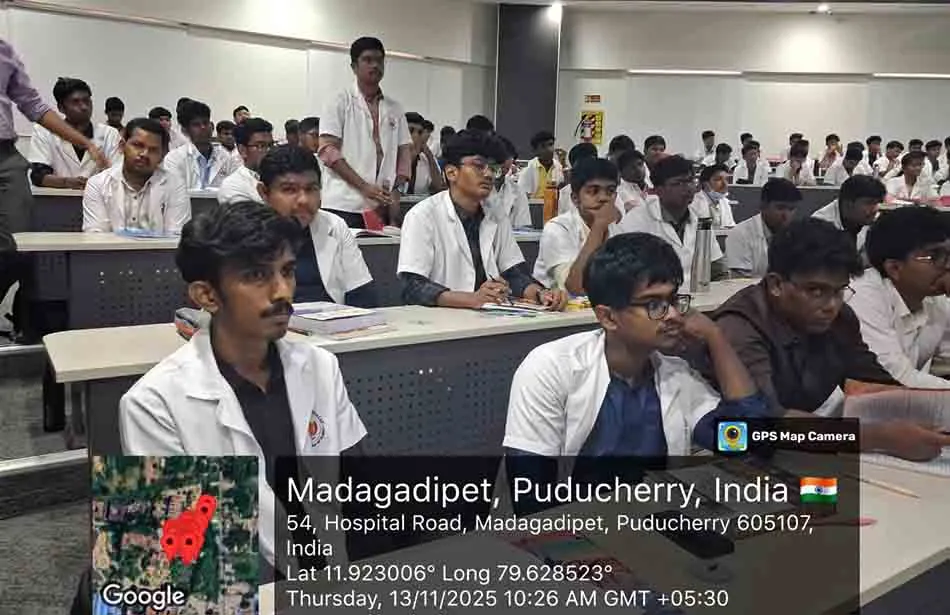
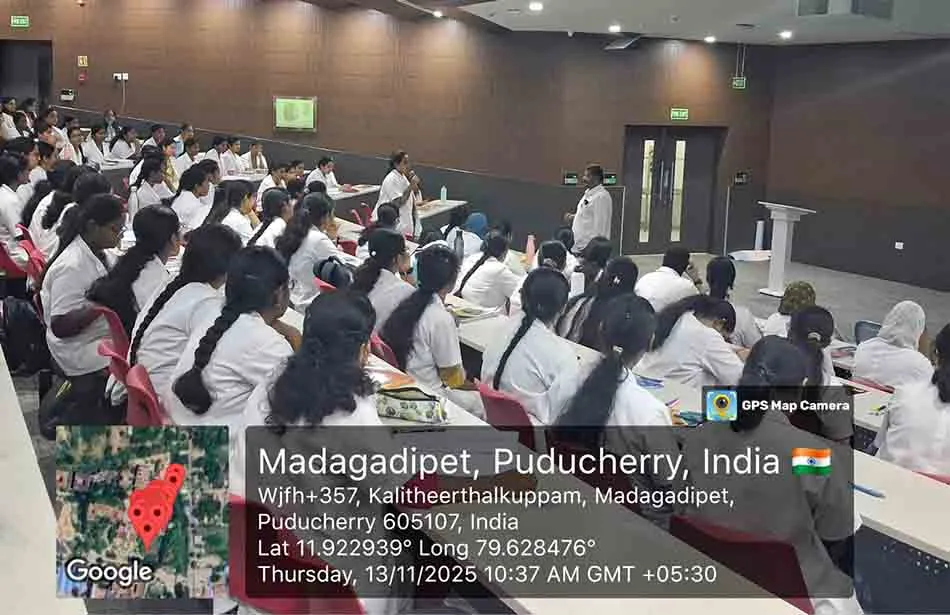
Webinar on Bridging knowledge and Innovation - Role of ICMR - STS in Medical Research
Event Name: Webinar on Bridging knowledge and Innovation – Role of ICMR – STS in Medical Research
Organized By: Department of Bio- Chemistry
Venue: Lecture Hall V
Date: 13-11-2025
Time: 9:30 A.M – 10:30 A.M
Coordinator: Mr. Balakrishna Pai, Assistant Professor
Objectives
- To highlight the significance of the ICMR-STS program in fostering research aptitude among medical students.
- To guide participants in selecting research topics and preparing a strong STS proposal.
- To emphasize how early research exposure bridges knowledge and innovation in medical practice.
Guest Speaker: Dr. Ramachandran Thiruvengadam, Associate professor, BRIC-THSTI, Faridabad
Participant Details: MBBS students (first year)
Mode: Online
Platform Used: Google Meet
Total Participants: 206
Programme Overview:
Outcomes:
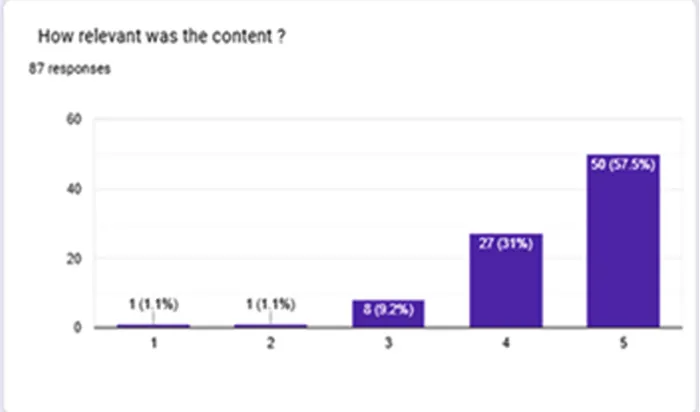
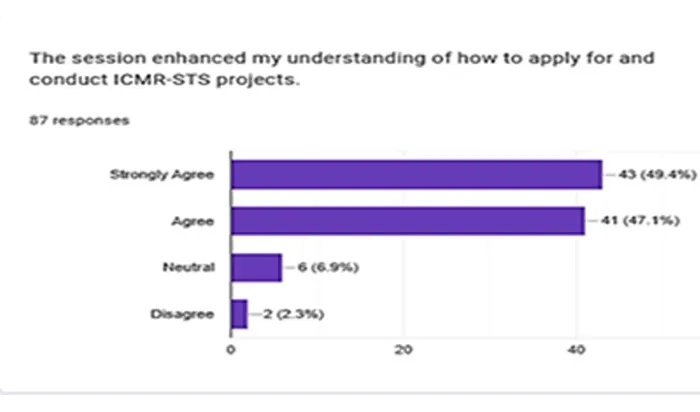
- Participants will understand the complete process of applying for and executing an ICMR-STS project.
- Students will be able to formulate research questions and design methodologically sound proposals.
- Attendees will gain confidence to pursue innovative medical research and contribute to evidence-based practice.
Way Forward/Conclusion:
- Early engagement in research through the ICMR–STS programme fosters innovation, critical thinking, and meaningful contributions to medical science.
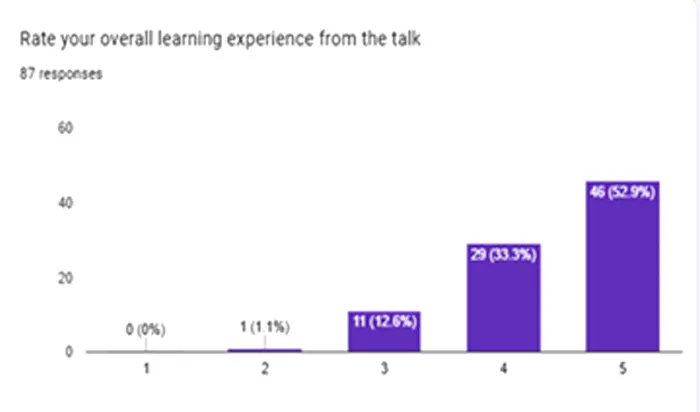
Feedback:
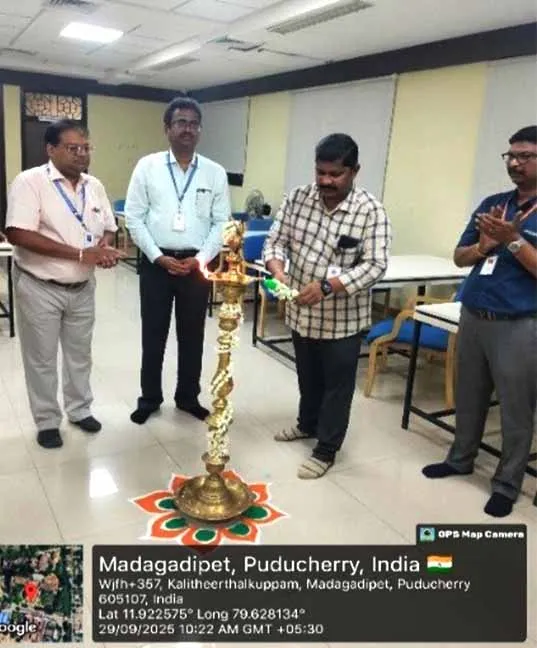
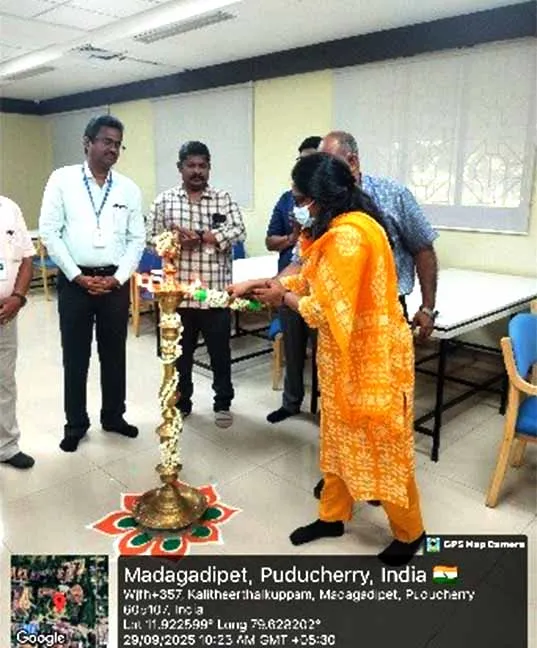
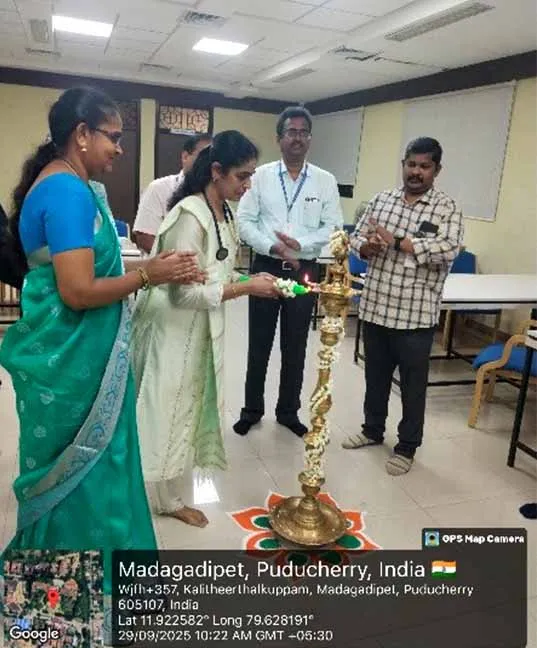
Know your Lipids, Know your Heart
Organized by: Department of Biochemistry in association with the Department of Cardiology
Venue: Own Book Reading Hall, Ground Floor, College Block
Dates: 29th September 2025 – 13th October 2025
Time: 8:30 AM – 11:00 AM
Introduction
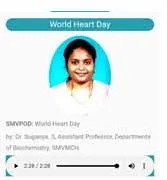
Faculty Podcast
Lipid Profile Screening Camp:
Objective
The main goal of this screening program was to:
- Screening Period: 29th September 2025 to 13th October 2025
- Participants: All teaching, non-teaching, and hospital staff members
- Screening Test: Free Lipid Profile Estimation (Total Cholesterol, HDL, LDL, VLDL, Triglycerides)
- Sample Collection: Conducted daily from 8:30 am to 11:00 am at the Own Book Reading Hall
Camp Screening Program Details
- Assess the lipid profile of SMVMCH employees to identify individuals at risk of dyslipidemia and cardiovascular diseases.
- Promote a culture of preventive health care among hospital and college staff.
- Encourage lifestyle modification through awareness and counselling.
Outcomes
The organizing departments sincerely thank the Management of SMVMCH for their support and encouragement. Gratitude is also extended to the technical staff, nursing team, and volunteers who contributed to the smooth execution of this program.
Conclusion
- The program received an excellent response from employees across departments.
- Many participants expressed appreciation for the free and convenient screening opportunity.
- The results helped identify individuals with elevated lipid levels who were unaware of their condition.
- Counseling sessions focused on dietary modifications, physical activity, weight control, and stress management for maintaining heart health.
Acknowledgement
“Mastering Machine Handling & Troubleshooting in Autoanalyser: From Basics to Breakdowns”
Event Name: Step-wise Interpretation of Real-Life ABG Case Studies
Organized By: Department of Biochemistry
Venue: Own Book Reading Hall
Date: 09-05-2025
Time: 8:30 A.M – 4:30 P.M
Overview
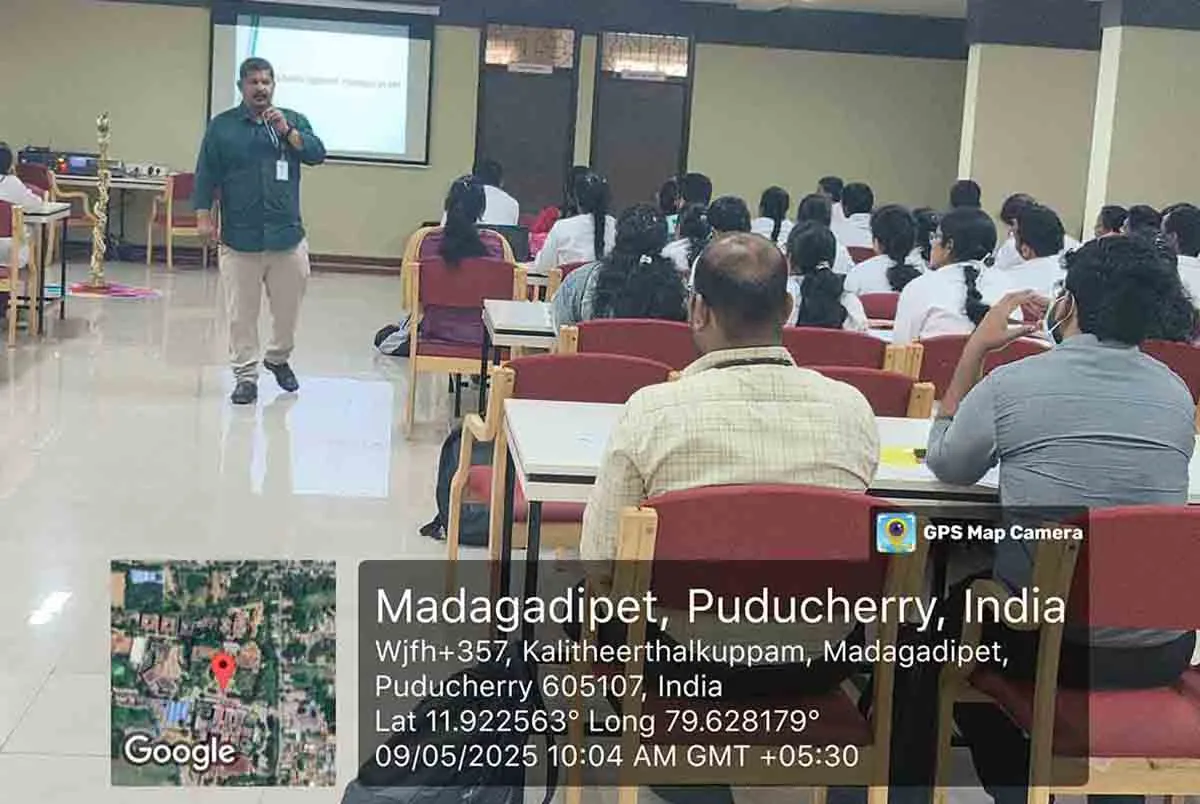
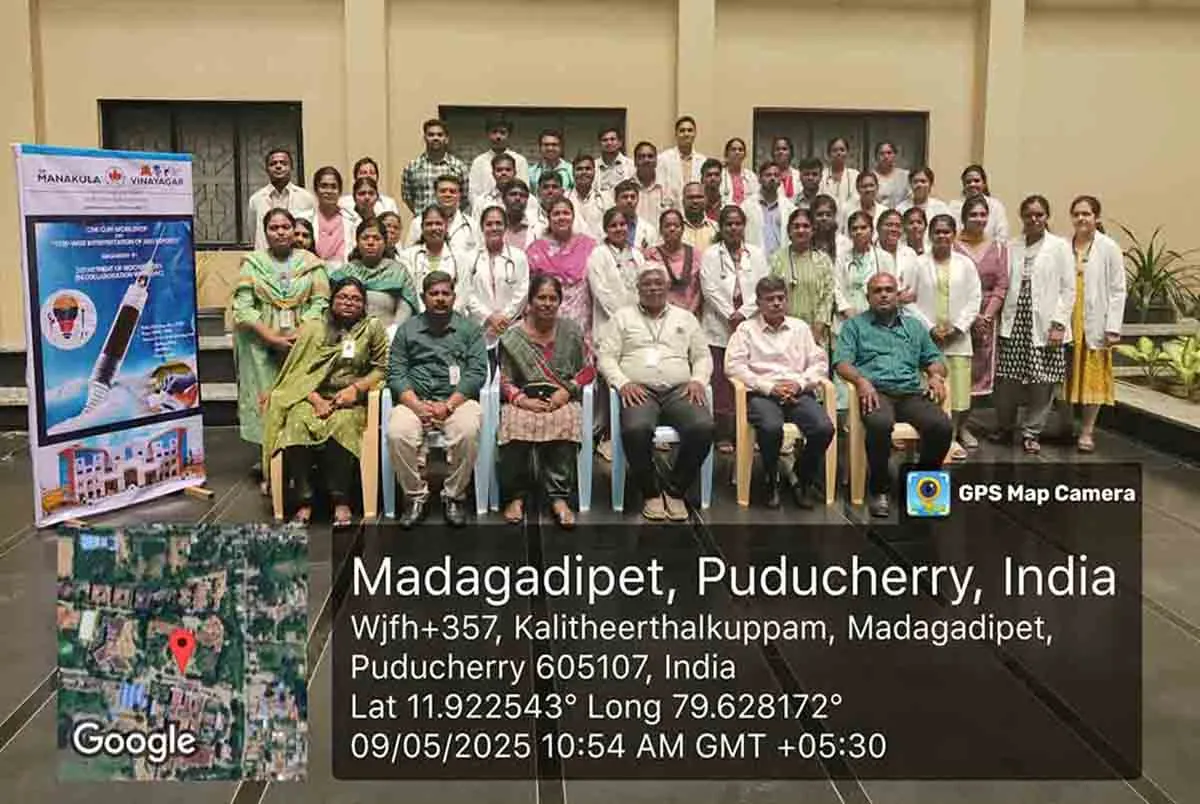
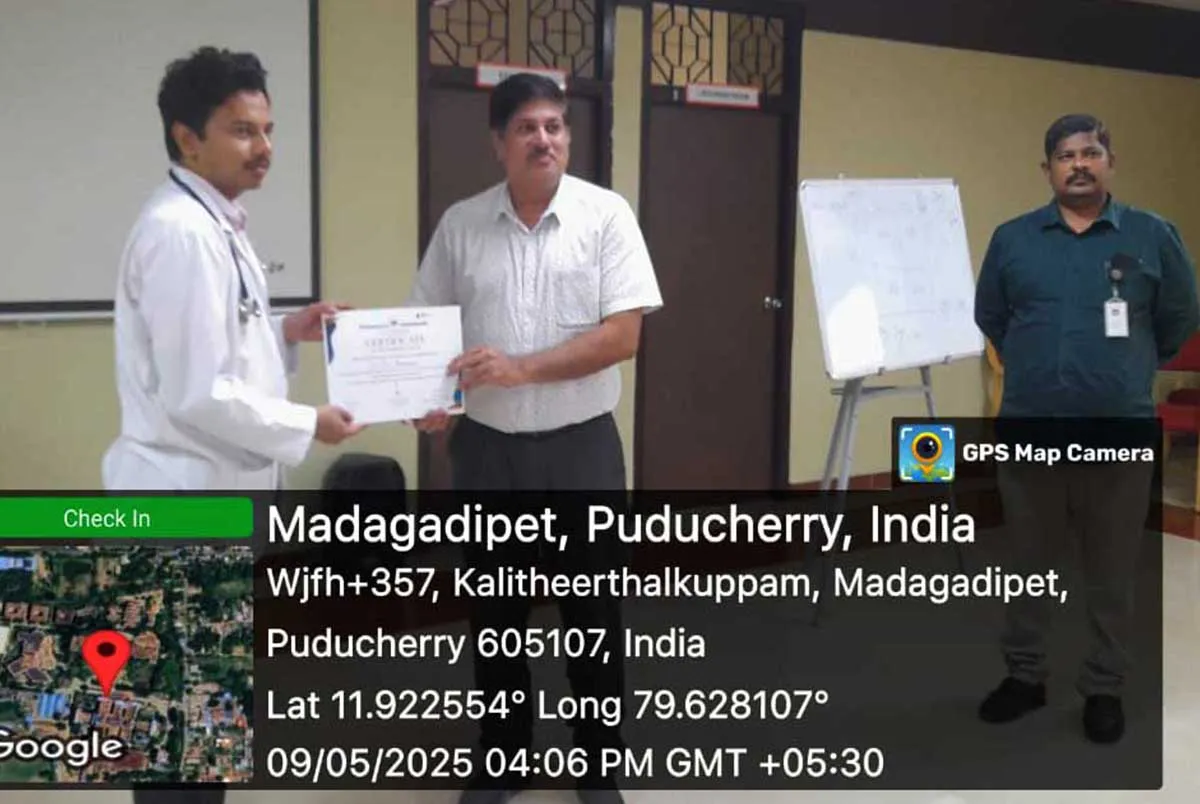
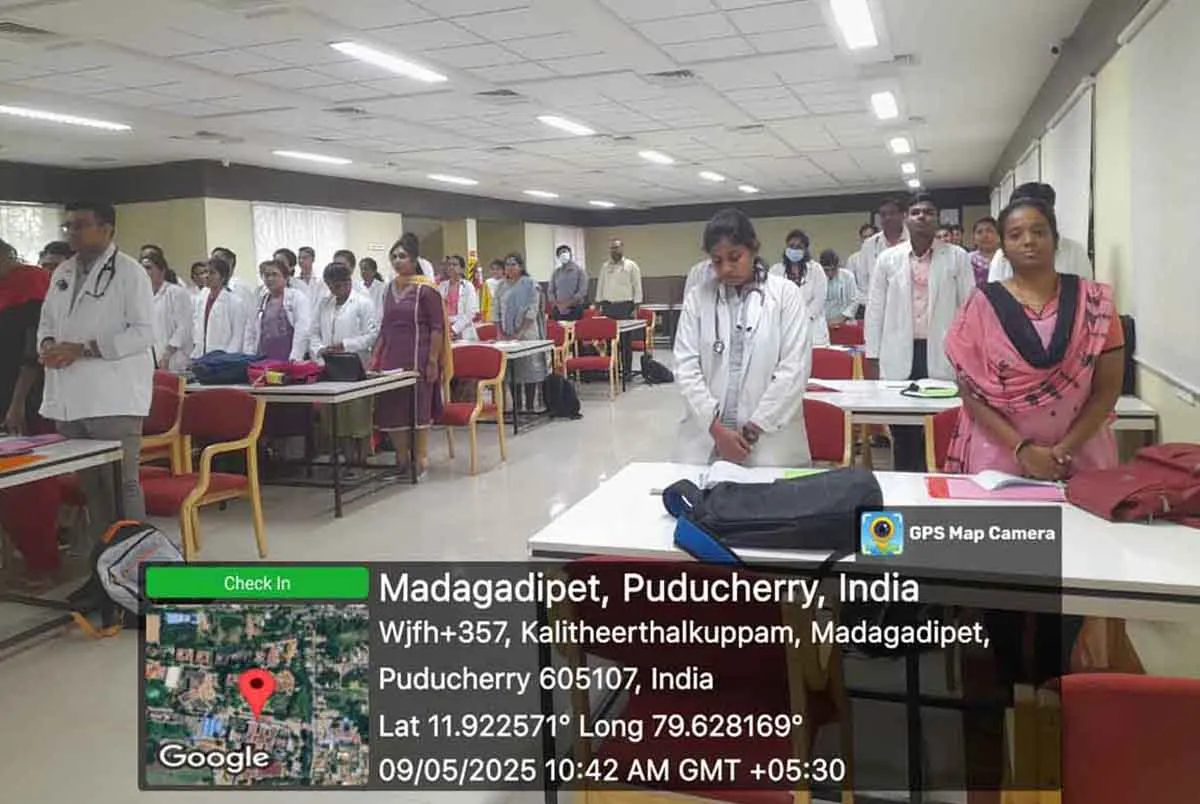
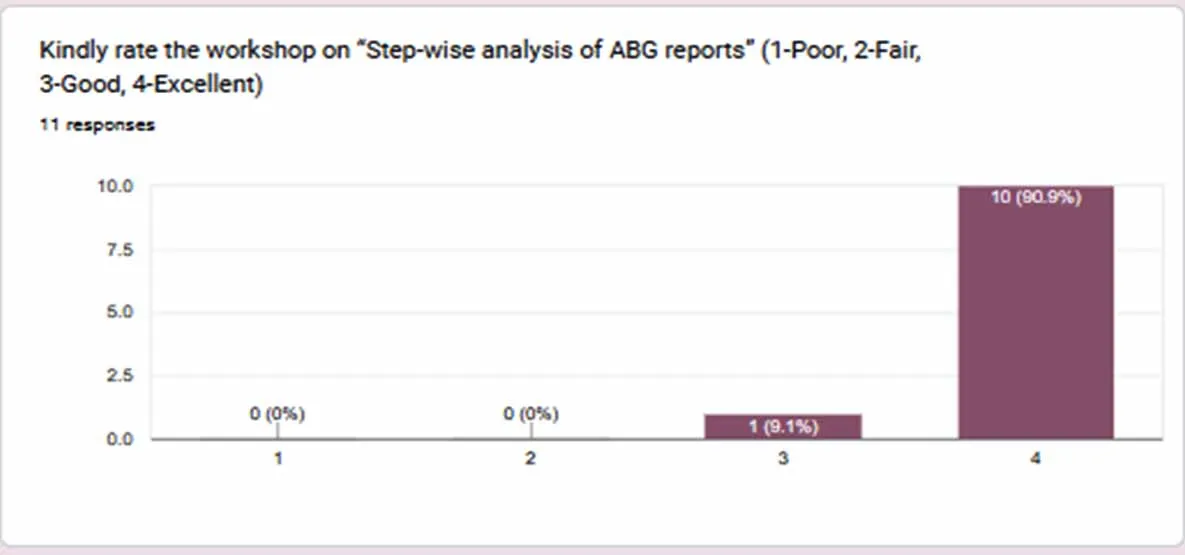
The Continuing Medical Education (CME) cum Workshop on Arterial Blood Gas (ABG) Analysis was held successfully at First Floor own book reading hall on 9th May 2025. The event aimed to enhance the understanding and skills of healthcare professionals in interpreting ABG results accurately and effectively managing patients based on the findings.
Agenda:
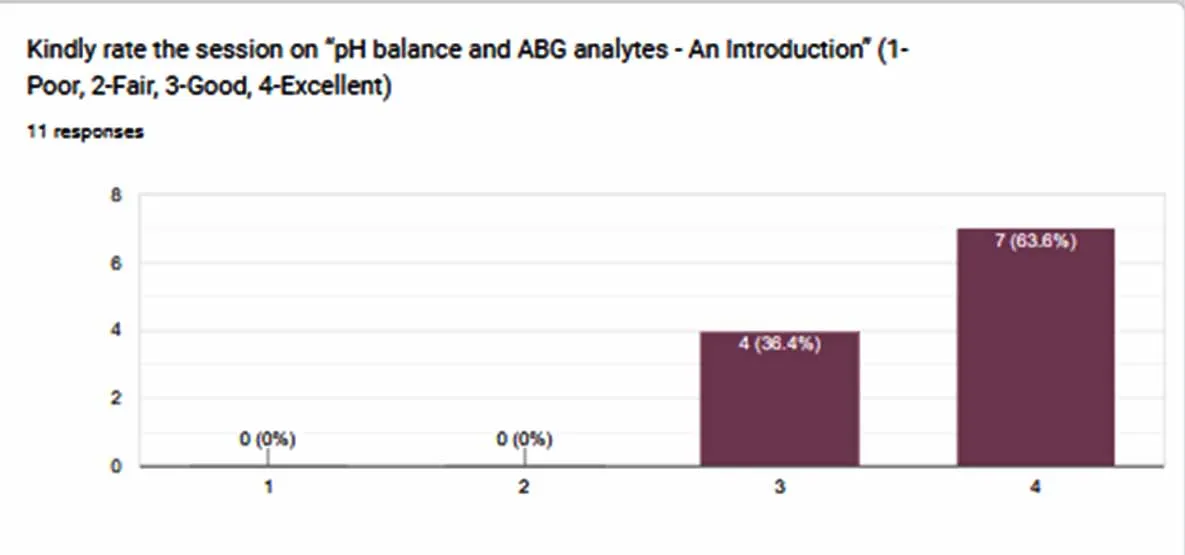
- “pH Balance and ABG analytes” – An Introduction
- Clinical Impact of ABG
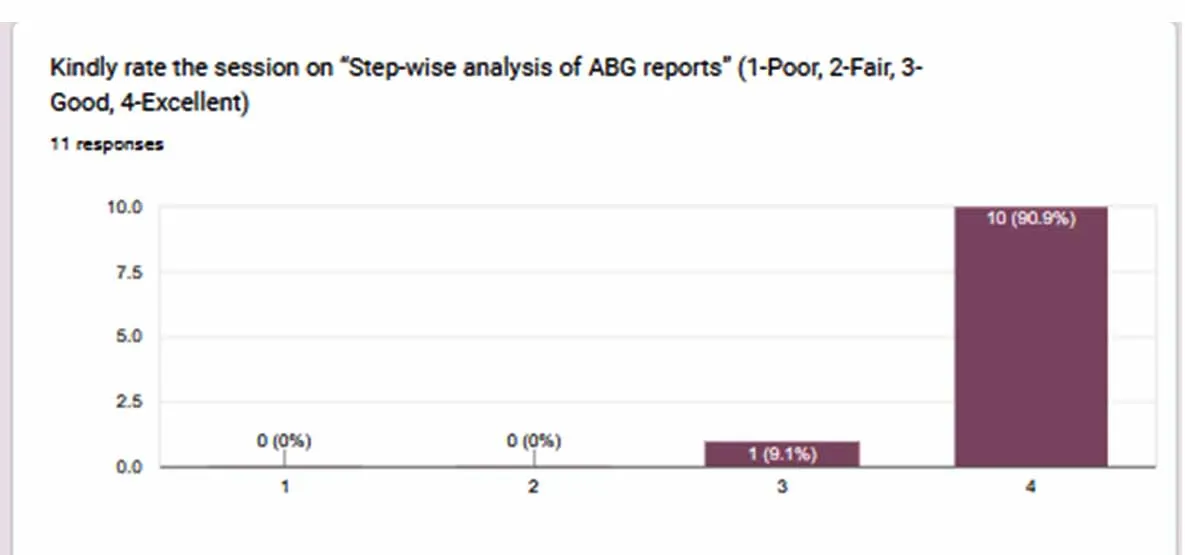
- Step-wise analysis of ABG
- Workshop: Clinical Interpretation of Reports
- Discussion Session
Highlights
- Renowned experts in the field delivered insightful presentations on various aspects of ABG analysis, covering topics from basic principles to advanced clinical applications.
Topics presented by Speakers:
- “pH Balance and ABG analytes-An Introduction” by Dr. M. Jeyakumar, Professor & Head ,Department of Biochemistry
- Clinical Impact of ABG by Dr.Girija, Professor & Head ,Department of General Medicine
- Step-wise analysis of ABG by Dr. SP.S. Subrahmanian ,Consultant Nephrologist, Sundaram Hospital, Trichy
- The hands-on workshop on analysis of Reports and Interactive case discussions under the guidance of experienced instructor Dr. SP.S. Subrahmanian, provided attendees with practical insights into interpreting ABG results in real-world scenarios in Afternoon Workshop session
- Attendees actively engaged in the Discussion session, seeking clarifications and sharing their experiences, fostering a dynamic learning environment.
Outcomes
Conclusion
Future Directions
Acknowledgments
Feedback
Step wise Interpretation of Real Life ABG case studies
Event Name: Step-wise Interpretation of Real-Life ABG Case Studies
Organized By: Department of Biochemistry
Venue: Own Book Reading Hall
Date: 09-05-2025
Time: 8:30 A.M – 4:30 P.M
Overview
Agenda:
- To familiarize participants with the fundamental working principles of autoanalyzers.
- To provide hands-on experience in machine handling, maintenance, and calibration.
- To develop diagnostic and troubleshooting skills for common machine errors.
- To reinforce safety, quality control, and preventive maintenance protocols.
Highlights
- Renowned experts in the field delivered insightful presentations on various aspects of ABG analysis, covering topics from basic principles to advanced clinical applications.
Topics presented by Speakers:
- “pH Balance and ABG analytes-An Introduction” by Dr. M. Jeyakumar, Professor & Head ,Department of Biochemistry
- Clinical Impact of ABG by Dr.Girija, Professor & Head ,Department of General Medicine
- Step-wise analysis of ABG by Dr. SP.S. Subrahmanian ,Consultant Nephrologist, Sundaram Hospital, Trichy
- The hands-on workshop on analysis of Reports and Interactive case discussions under the guidance of experienced instructor Dr. SP.S. Subrahmanian, provided attendees with practical insights into interpreting ABG results in real-world scenarios in Afternoon Workshop session
- Attendees actively engaged in the Discussion session, seeking clarifications and sharing their experiences, fostering a dynamic learning environment.
Outcome
The event facilitated knowledge exchange and skill development among healthcare professionals, equipping them with the necessary expertise to interpret ABG results accurately and make informed clinical decisions. Participants expressed satisfaction with the content and delivery of the program, emphasizing its relevance to their clinical practice.
Conclusion
Future Directions
Acknowledgments
The organizers extend their gratitude to the speakers, participants for their contributions to the success of the event.
Feedback
- The management of SMVMCH for their support
- The organizing team and resource persons
- All participants for their enthusiastic involvement

“Mastering Machine Handling & Troubleshooting in Autoanalyser: From Basics to Breakdowns”
Organized by: Department of Biochemistry
Venue: Biochemistry Laboratory, Hospital Block, SMVMCH
Dates: 3th & 4th July 2025
Time: 2:30 PM – 4:30 PM
1. Introduction
2. Objectives of the Workshop
- To familiarize participants with the fundamental working principles of autoanalyzers.
- To provide hands-on experience in machine handling, maintenance, and calibration.
- To develop diagnostic and troubleshooting skills for common machine errors.
- To reinforce safety, quality control, and preventive maintenance protocols.
3. Participants
- The workshop witnessed active participation from:
4. Resource Person and Session Overview
Day 1 & 2 (4th & 5th July 2025)
| Session | Topic | Time | Presenter |
|---|---|---|---|
| 1 | Mastering Machine Handling & Troubleshooting in the Auto analyzer : From Basics to Breakdowns | 2:30 PM – 4:25 PM | Mr.Arun K N , Manager –Application Support , CPC Diagnostics |
| 2 | Feedback & Discussion | 4:25 PM – 4:30 PM | All Faculties |
The sessions covered a wide range of topics including:
- Overview of autoanalyzer components
- Sample loading techniques
- Reagent management and calibration
- Common errors and diagnostic approaches
- Routine maintenance and preventive care
5. Feedback and Outcomes
6. Conclusion:
The workshop successfully met its objectives by empowering participants with both theoretical insights and practical skills. It reinforced the importance of continual learning in medical laboratory technology and contributed to quality enhancement in laboratory practices.
7. Acknowledgments
The Department of Biochemistry extends its sincere thanks to:
- The management of SMVMCH for their support
- The organizing team and resource persons
- All participants for their enthusiastic involvement


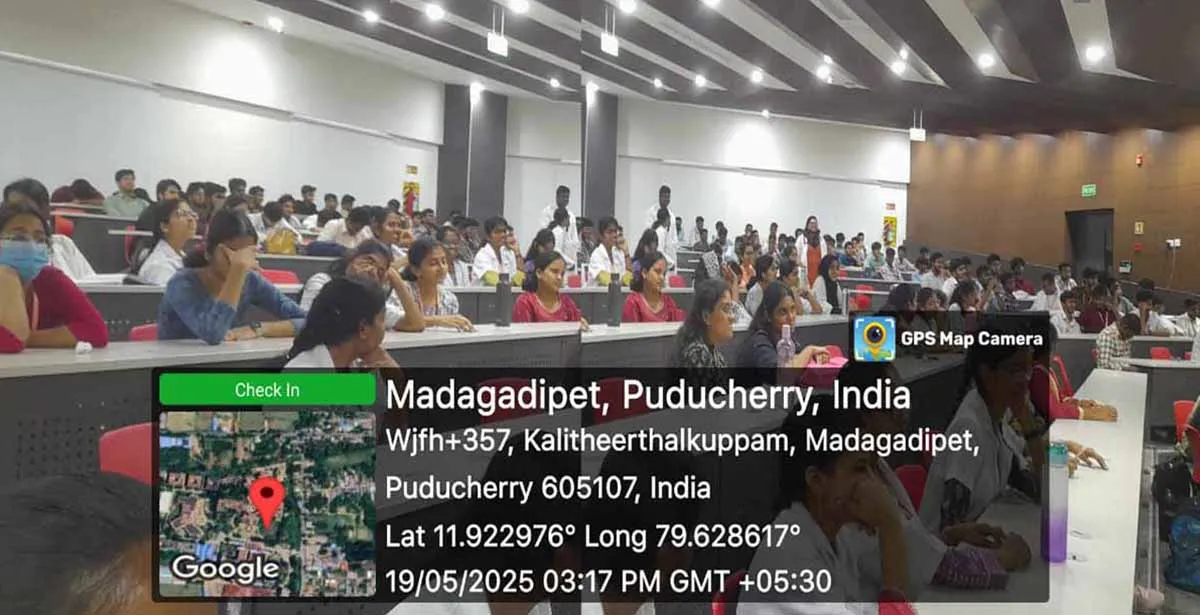
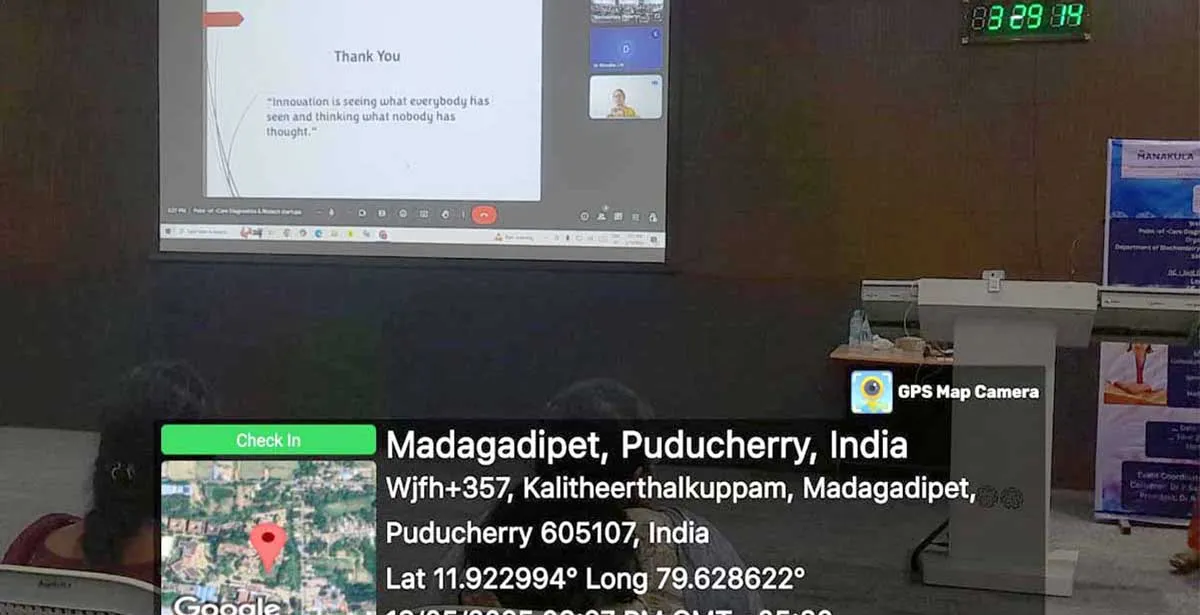
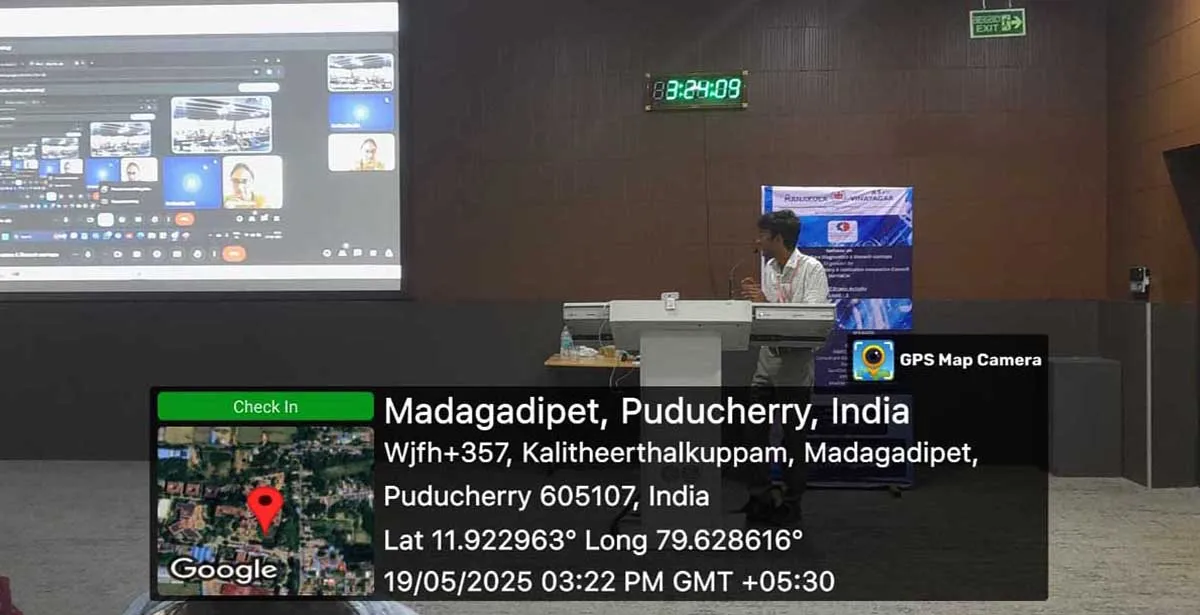
Webinar on Point of Care Diagnostics & Biotech startups
Organized By: Dept of Biochemistry
Venue: Lecture Hall V
Date: 19-05-2025
Time: 2:30 P.M. – 3:30 P.M
Objectives
- To introduce the principles and applications of point-of-care (POC) diagnostics in clinical settings.
- To create awareness about the role of biotechnology startups in transforming healthcare delivery.
- To encourage innovation and entrepreneurial thinking among medical students.
Guest Speaker: Dr. Nivedha.J. N, Consultant Biochemist (SLMC, Coimbatore), Startup Co-Founder, Biotech Innovations
Participant Details: MBBS students (first year)
Mode: Online
Platform Used: Google Meet
Total Participants: 236
Programme Overview:
Dr. Nivedha J.N delivered an insightful talk on the evolution and utility of point-of-care diagnostics, emphasizing their impact in remote, resource-limited, and emergency settings. She elaborated on how biotech startups are playing a pivotal role in democratizing diagnostic access and fostering patient-centric innovations.
The speaker also shared examples of successful biotech ventures and highlighted the scope for students and researchers to engage in this emerging field. The session concluded with an interactive Q&A where participants enthusiastically posed questions related to startup challenges, funding.
Outcomes:
- Enhanced understanding of POC diagnostics and their practical applications.
- Inspiration for students to think innovatively and explore interdisciplinary research.
Way Forward/Conclusion: This Level 1 IIC Self-Driven Activity marks a step towards integrating innovation and entrepreneurship into medical education.
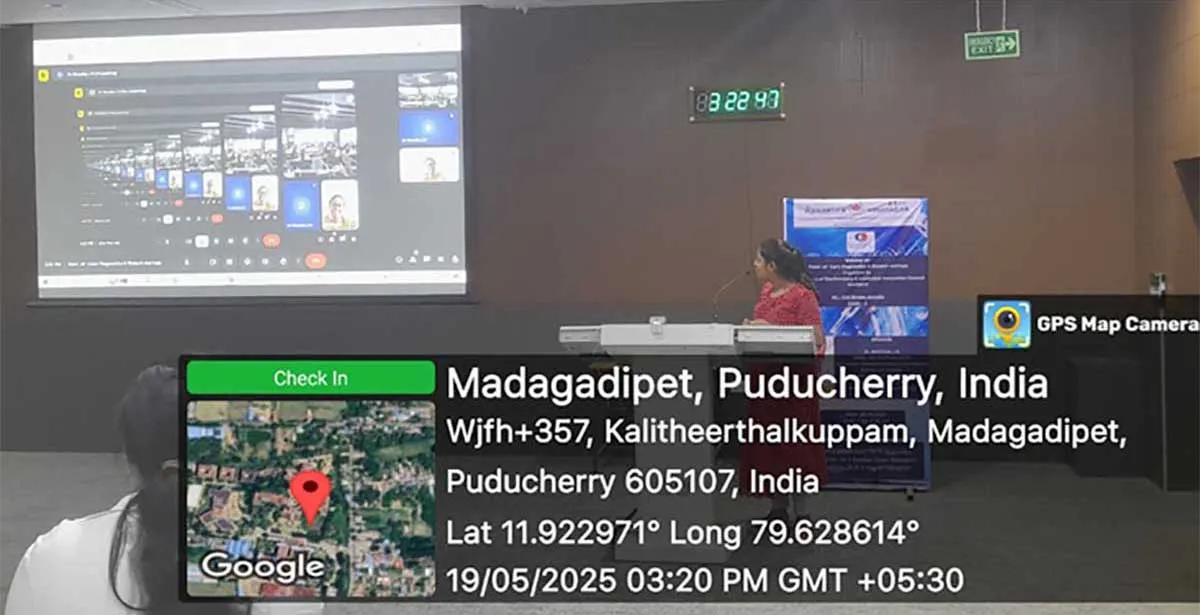
Webinar on Point of Care Diagnostics & Biotech startups
Event Name: National DNA Day Celebration
Organized By: Department of Biochemistry
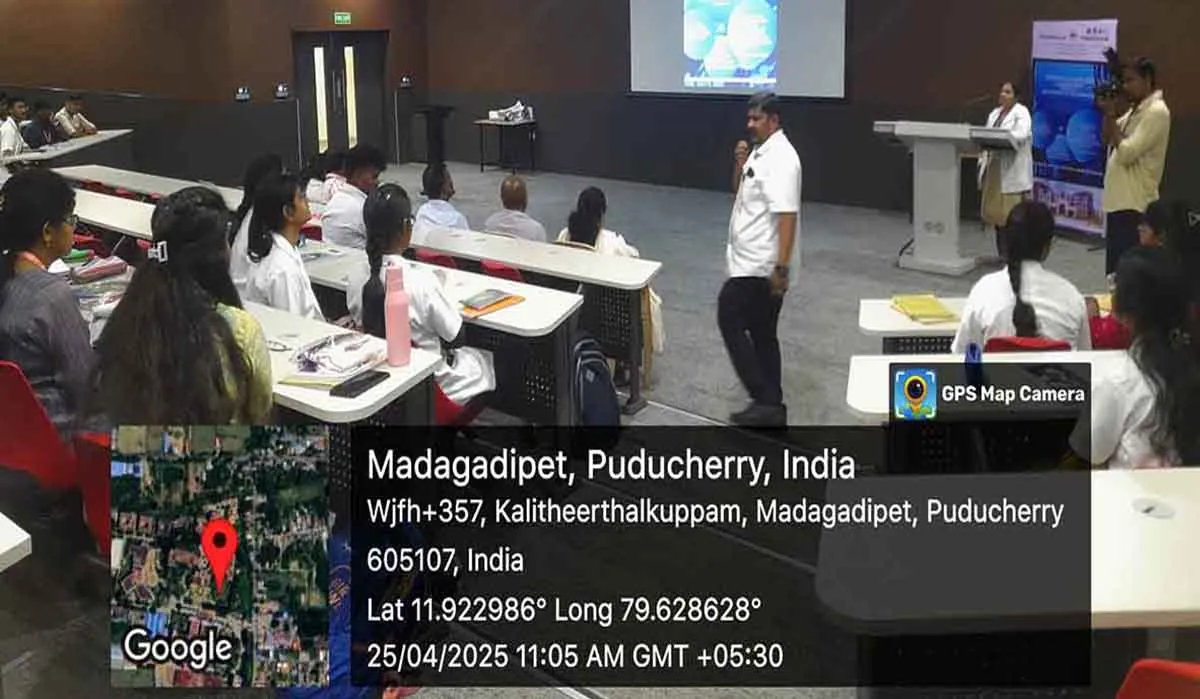
Venue: Lecture Hall -V
Date: 25-04-2025
Time: 10:45 A.M- 12:00 PM
1. Introduction:
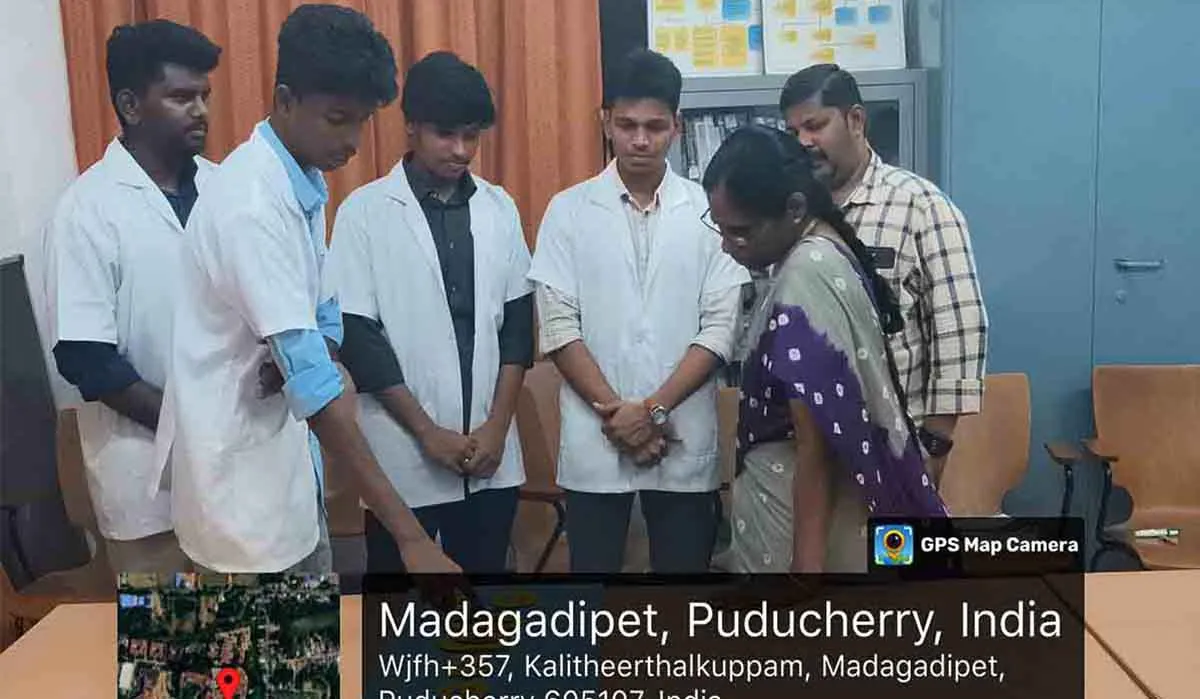
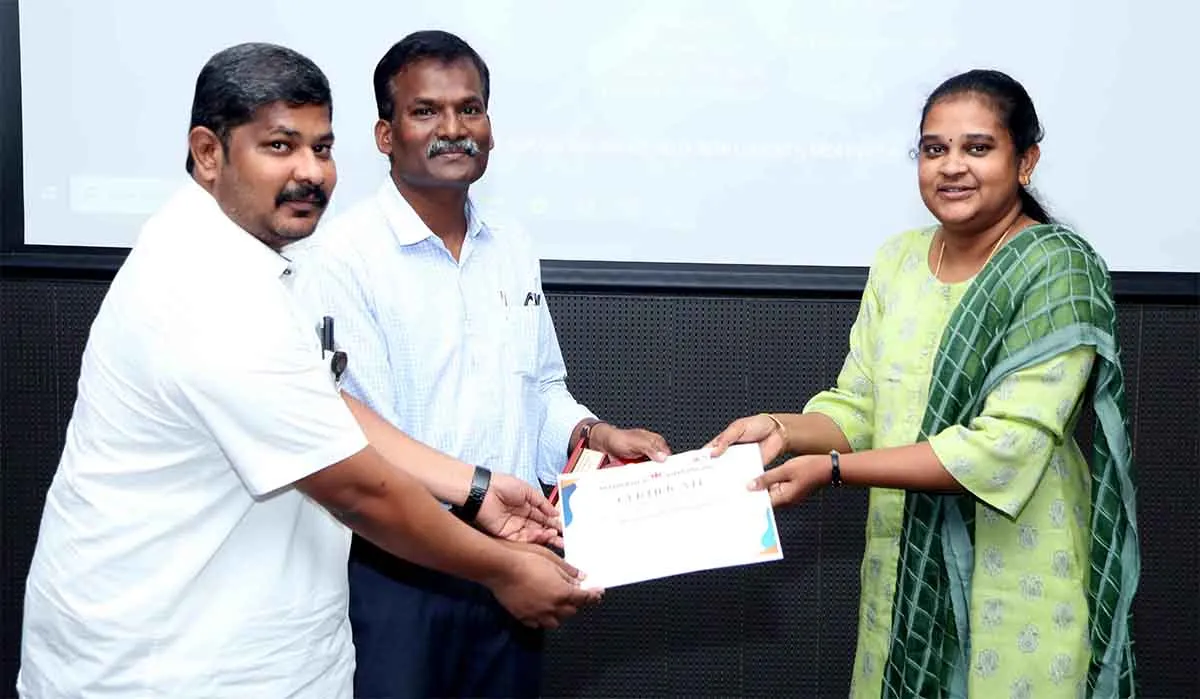
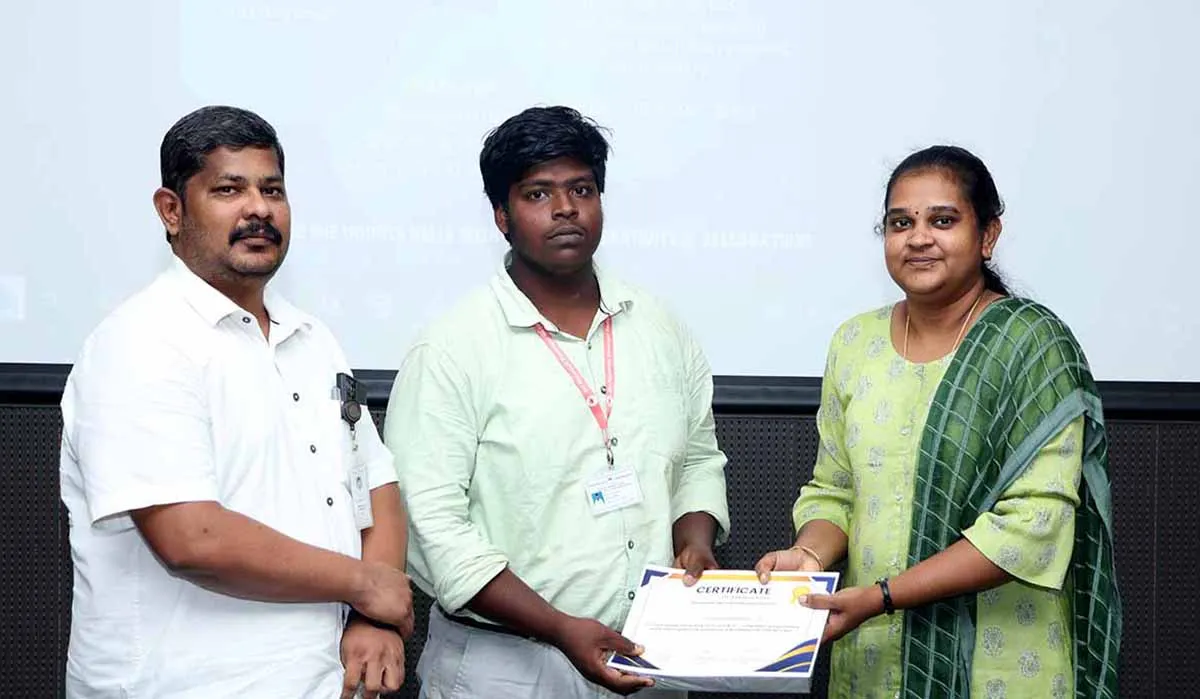
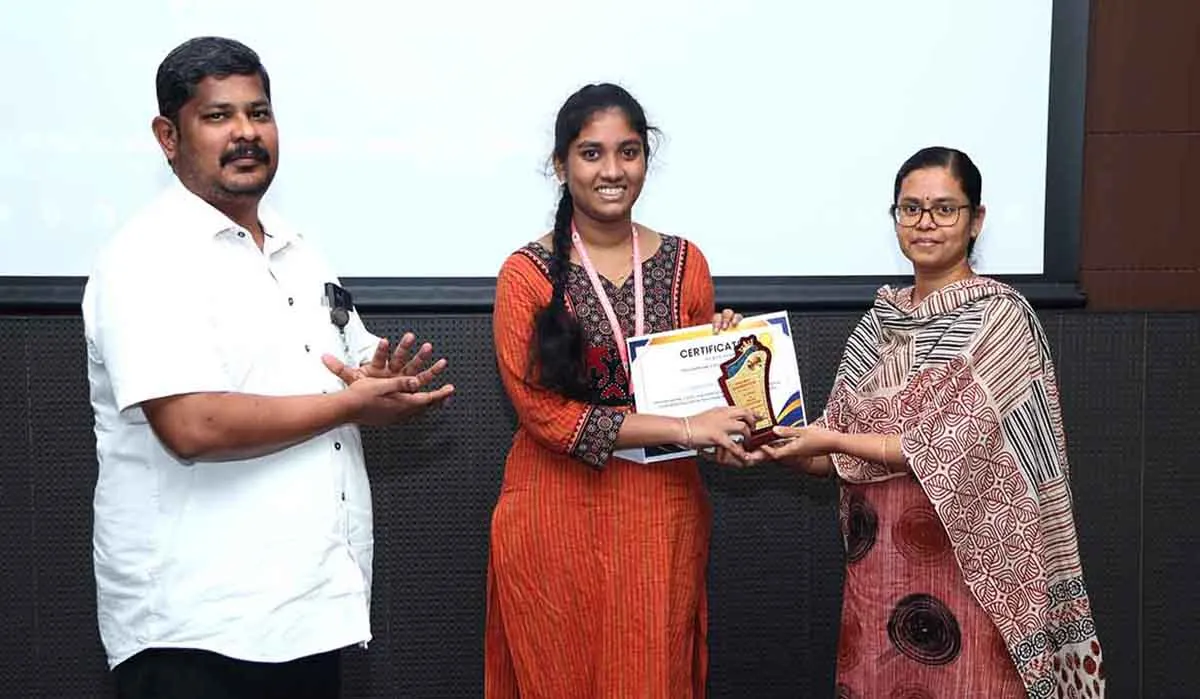
The Department of Biochemistry successfully organized a vibrant celebration of National DNA Day 2025 on April 25, 2025. The event, themed “DNA: The Blueprint and Beyond,” was designed to ignite curiosity, inspire creativity, and deepen understanding of the central role of DNA in life and science.
2. Highlights of the Event
Guest Lecture:
Speaker: Dr. Ramasamy Dhamodharan, PhD
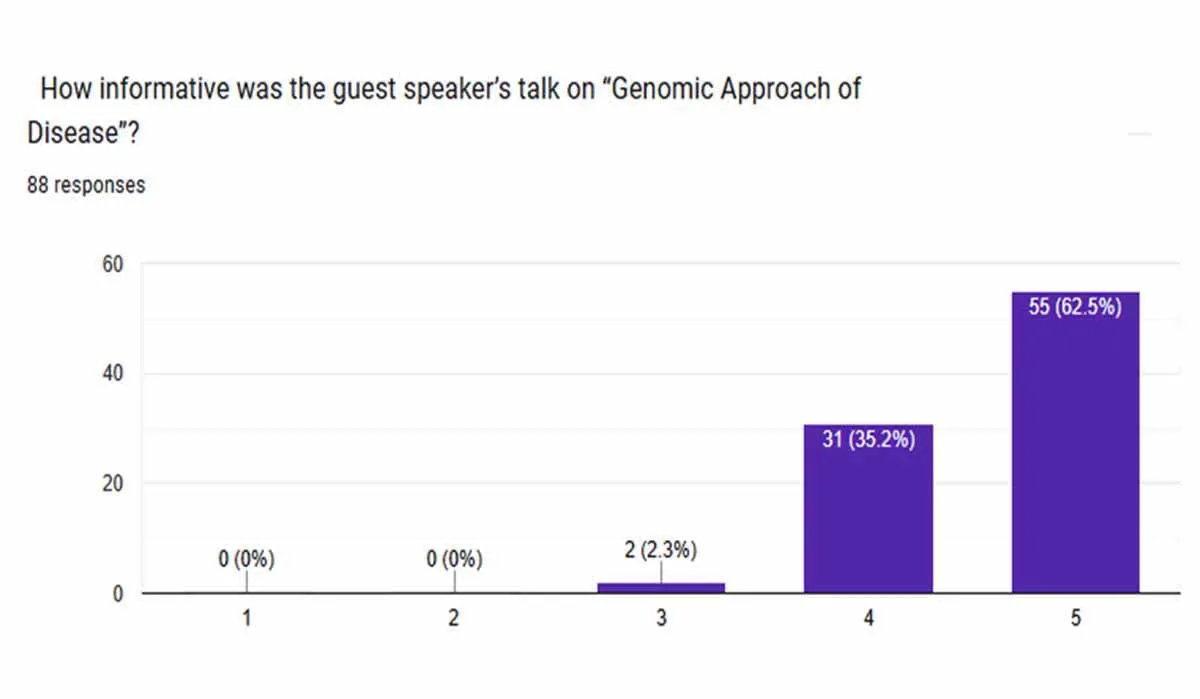
Affiliation: MGM Advanced Research Institute, Sri Balaji Vidyapeeth, Puducherry Dr. Dhamodharan delivered an insightful lecture on how genomic technologies are transforming the diagnosis and treatment of diseases. He emphasized real-world case studies and breakthroughs in personalized medicine, engaging the audience in a thought-provoking discussion.
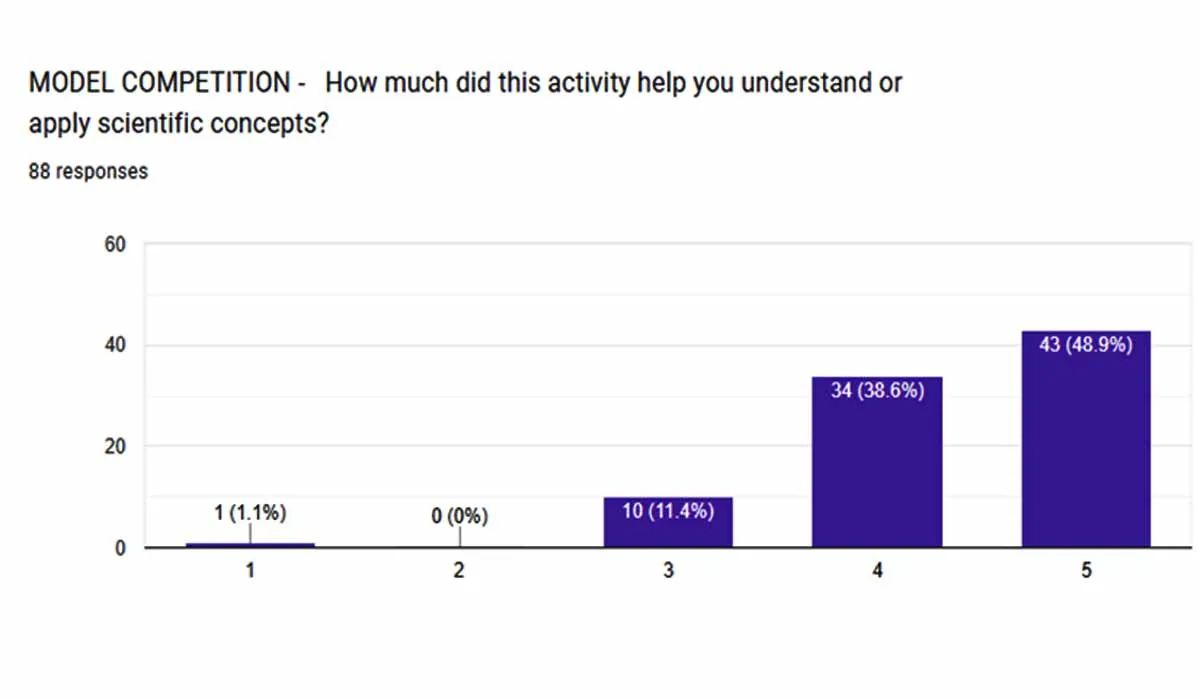
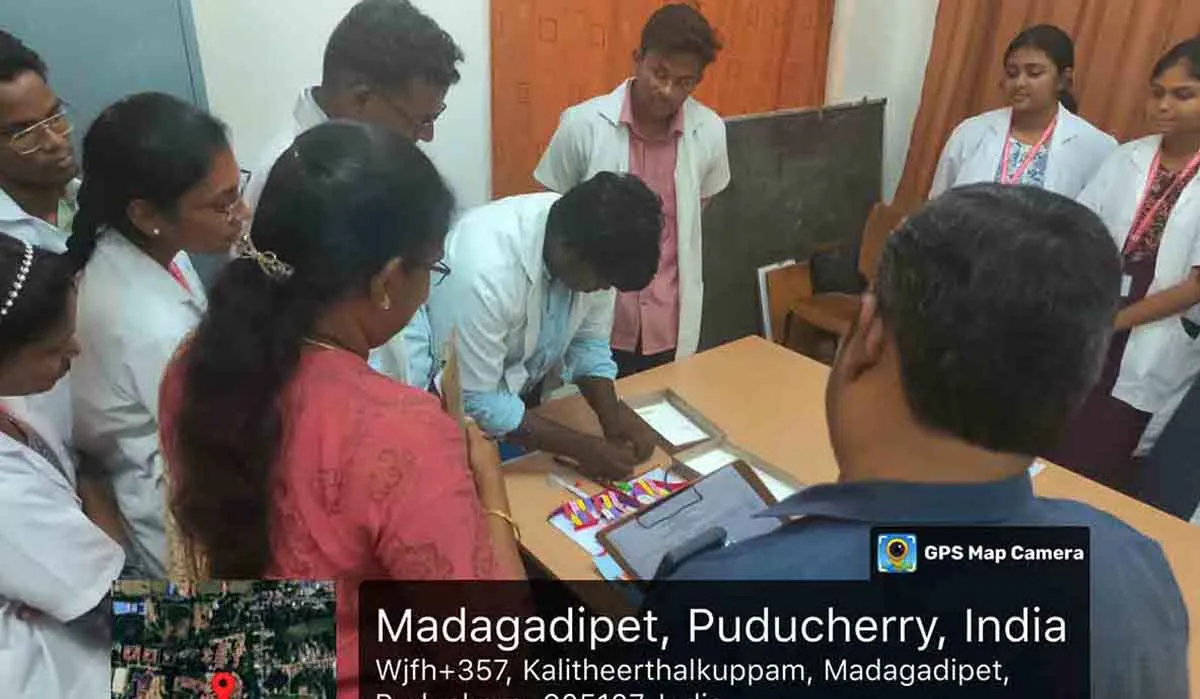
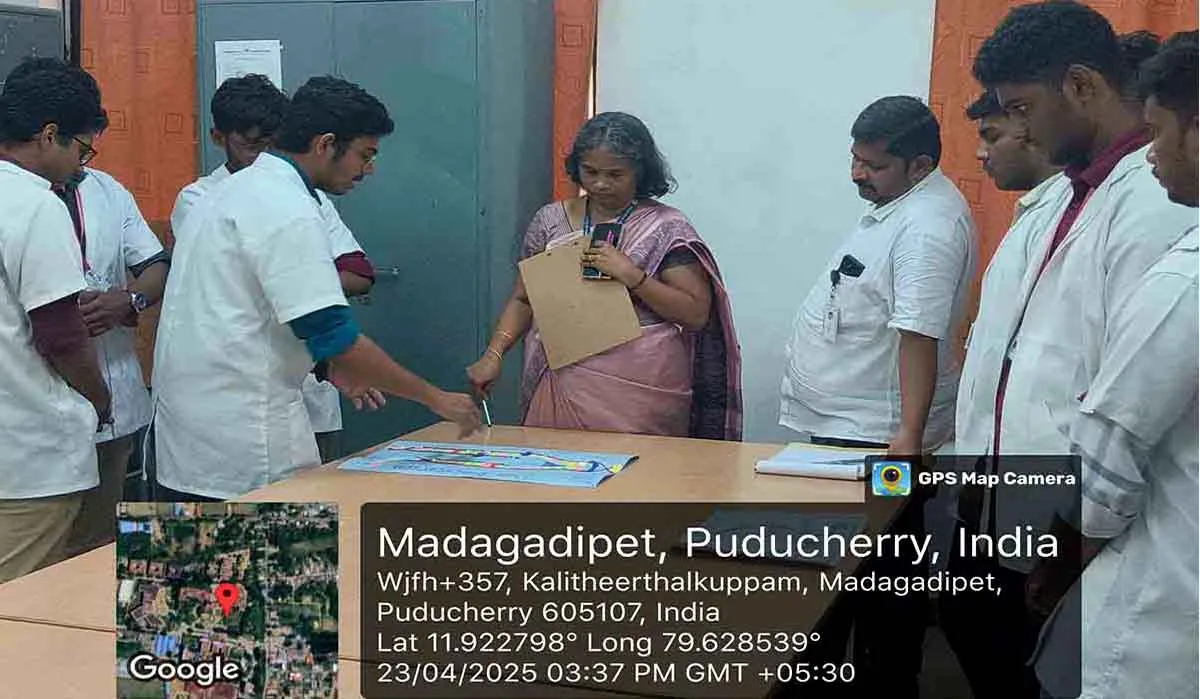
Model Competition:
Theme: “DNA: The Blueprint and Beyond“
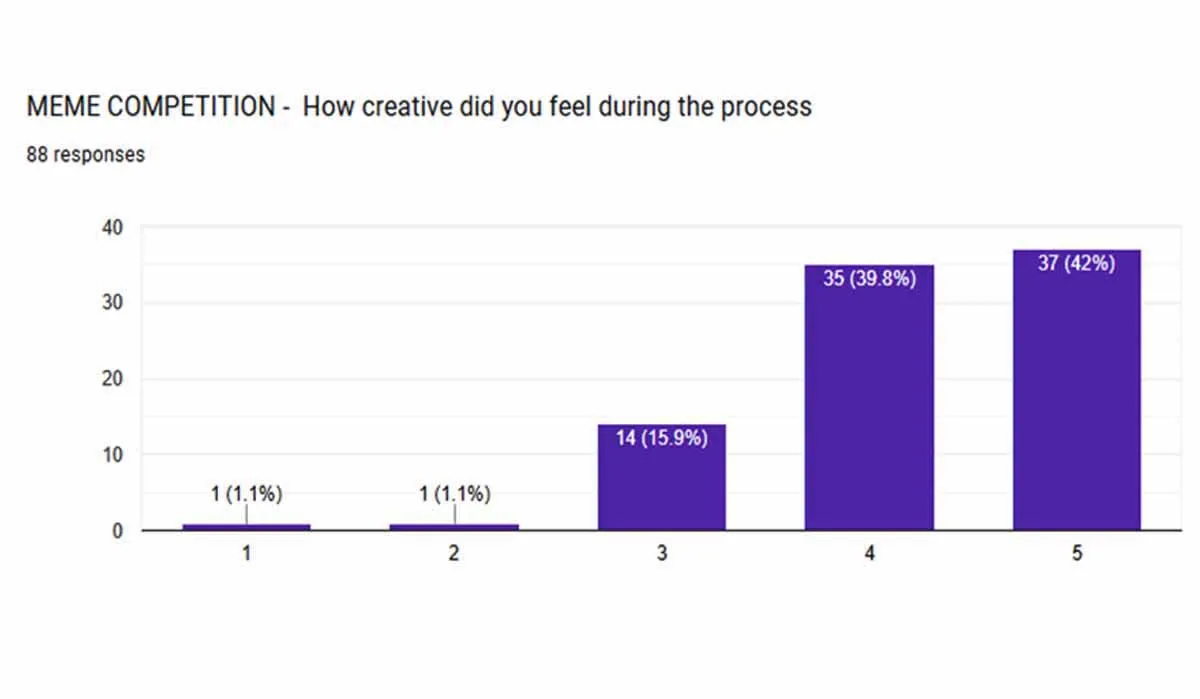
Meme Competition:
Theme: “Genes & Memes: Humor in the Helix”
3. Participation and Engagement
4. Outcome and Impact
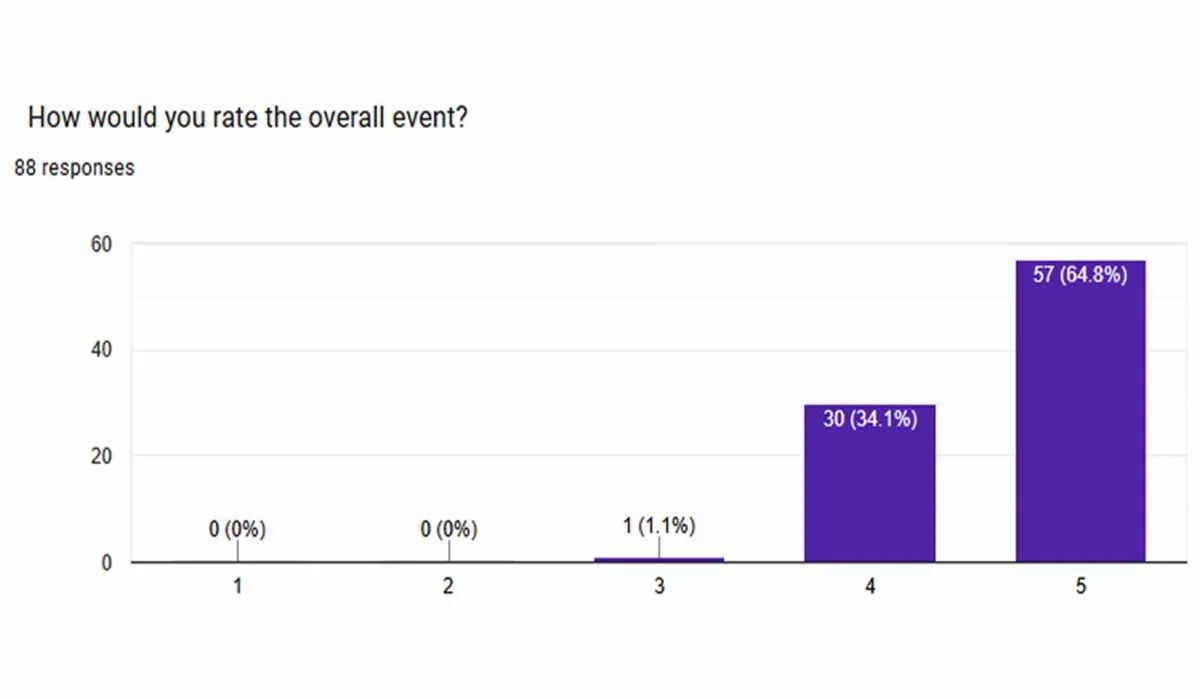
- The event witnessed enthusiastic participation from students across undergraduate and showcasing a shared interest in genetics and molecular biology.
- Faculty members played an active role in mentoring participants and facilitating meaningful discussions during the lecture and model presentation sessions.
- The model competition sparked innovative thinking, with students creatively presenting complex DNA-related concepts through interactive and visually engaging displays.
- The meme competition added a unique and enjoyable dimension to the event, encouraging students to blend science with humor and digital creativity.
- Dhamodharan’s lecture received positive feedback for its clarity and relevance, helping students understand how genomic research is transforming modern medicine.
- The event created a platform for collaborative learning, peer interaction, and science communication, fostering an inclusive academic environment.
5. Conclusion
Medical Lab Professional Week Celebration
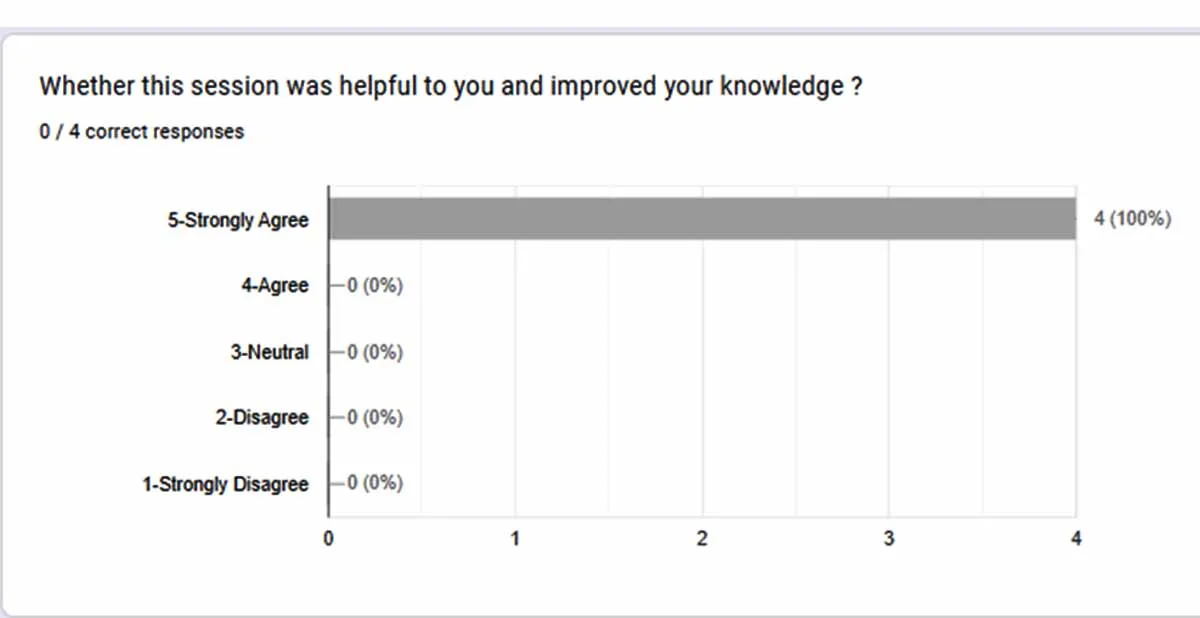
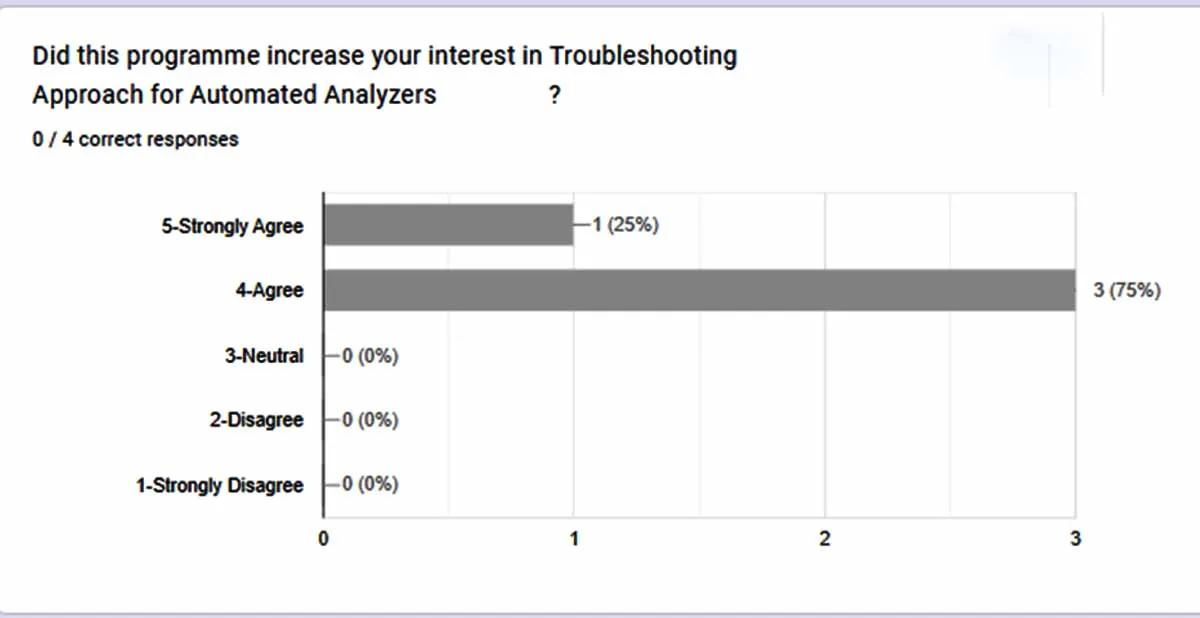
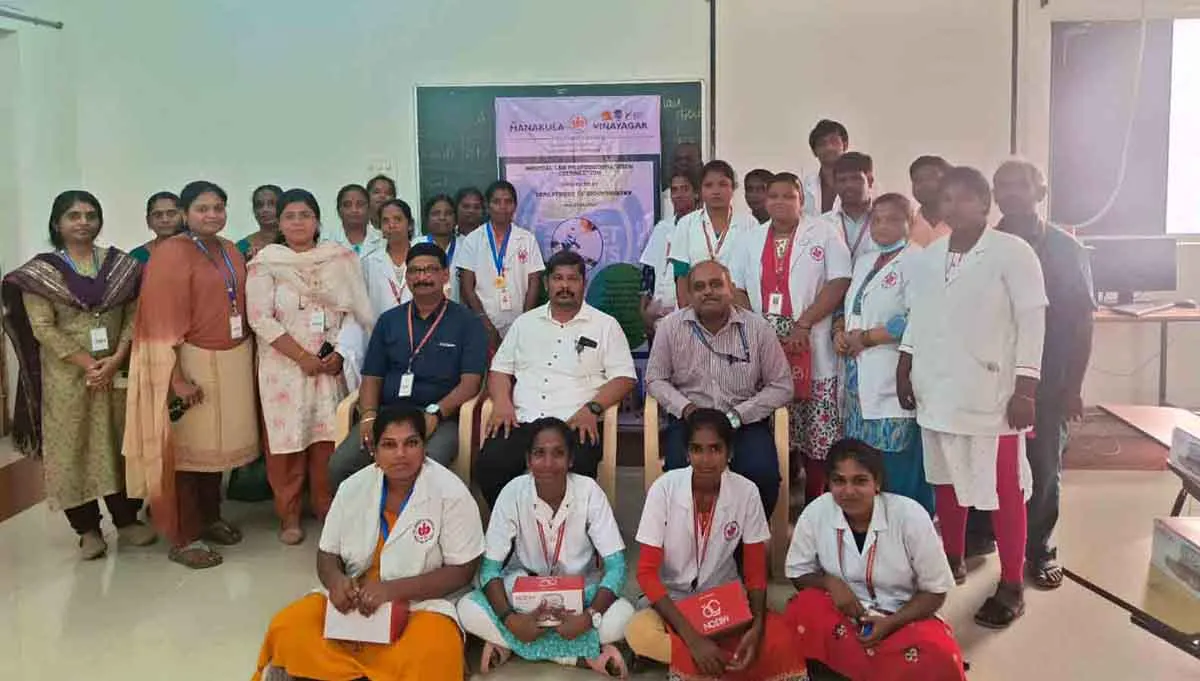
Event Name: “Step by Step troubleshooting approach for Automated Analysers”
Organized By: Department of Biochemistry
Venue: Lecture Hall III
Date: 24-04-2025
Time: 2:00 P.M. – 4:00 P.M
Introduction
Event Highlights:
Opening Ceremony: The week celebration commenced with an inspiring opening ceremony, featuring keynote speeches from prominent figures in the medical laboratory profession. Attendees were reminded of the critical role played by medical lab professionals in healthcare delivery.
Educational Workshops:
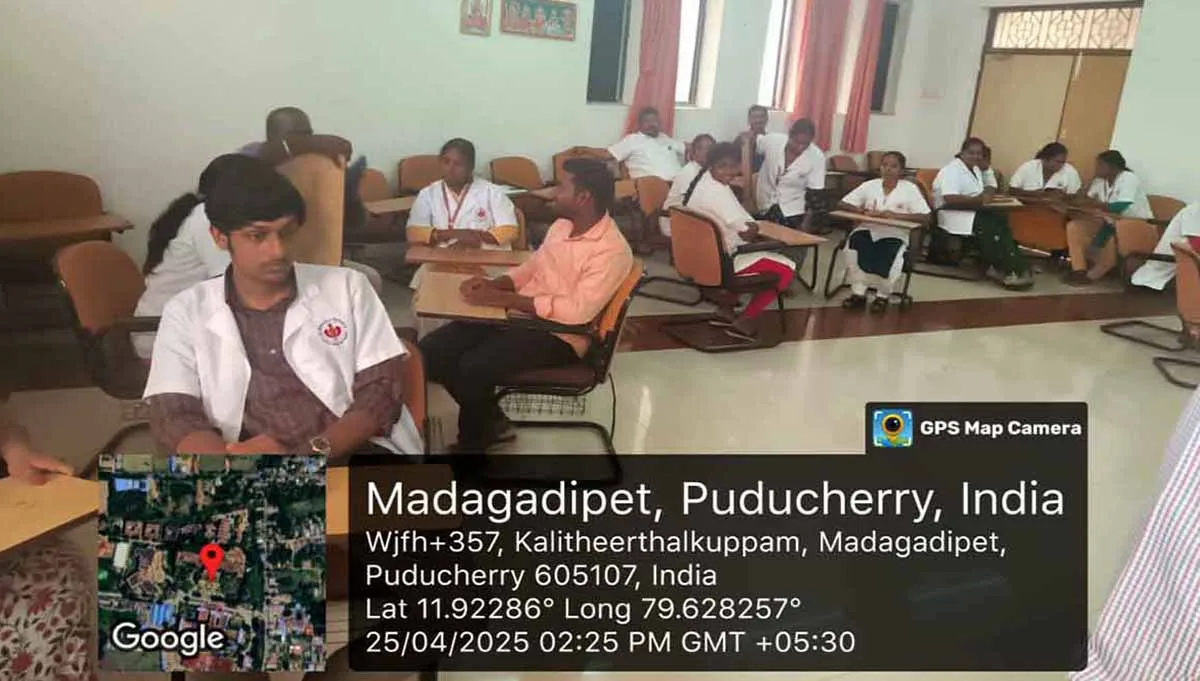
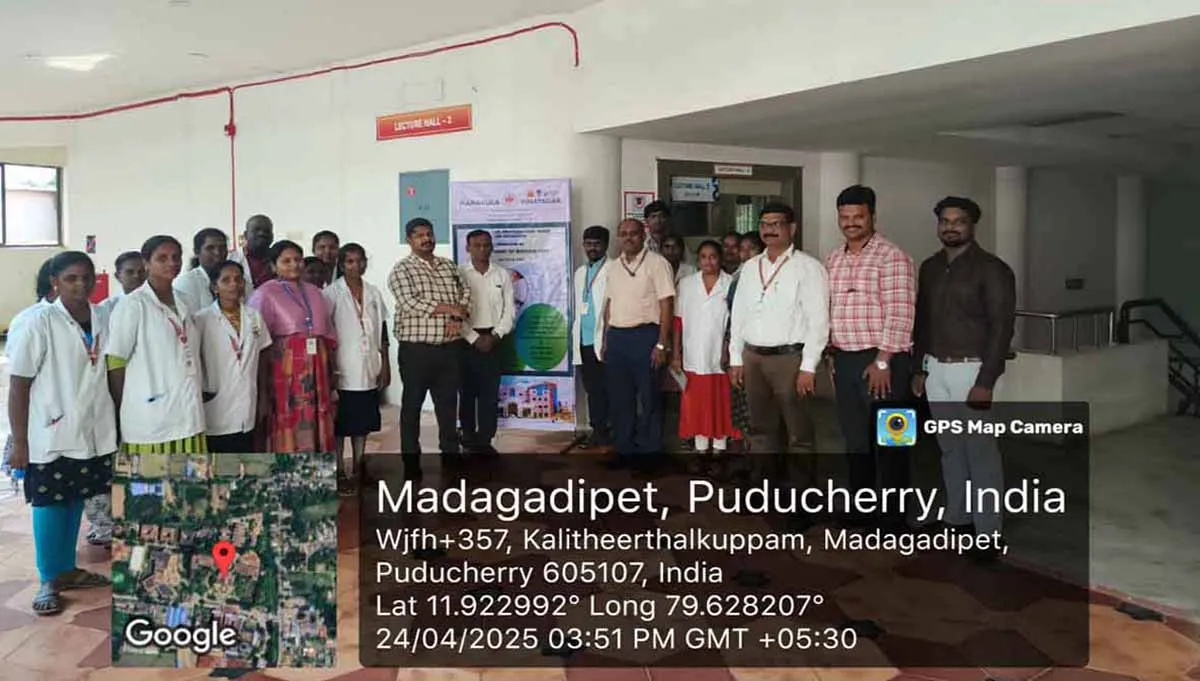
Educational workshops were conducted to enhance the knowledge and skills of medical lab professionals. Topic of discussion was “Step-by-Step Troubleshooting Approach for Automated Analyzers” in laboratory diagnostics to quality assurance and patient safety protocols by Mr. N. Rajavelu, Ever life CPC Diagnostics.
Educational Workshops:
Quiz Competition: Teams comprising enthusiastic participants registered for the competition well in advance. Each team consisted of 5 members, carefully selected to ensure diversity of expertise and perspectives.
Quiz Rounds: The competition featured multiple rounds of challenging questions covering a broad spectrum of topics, including general knowledge, current affairs, science. Each round tested different aspects of the participants’ intellect and provided an opportunity to showcase their depth of understanding and quick thinking.
Judging and Scoring: Competent judges meticulously evaluated the responses of participants, ensuring fairness and accuracy in scoring. Points were awarded based on the correctness and speed of answers, encouraging teams to strategize and prioritize effectively.
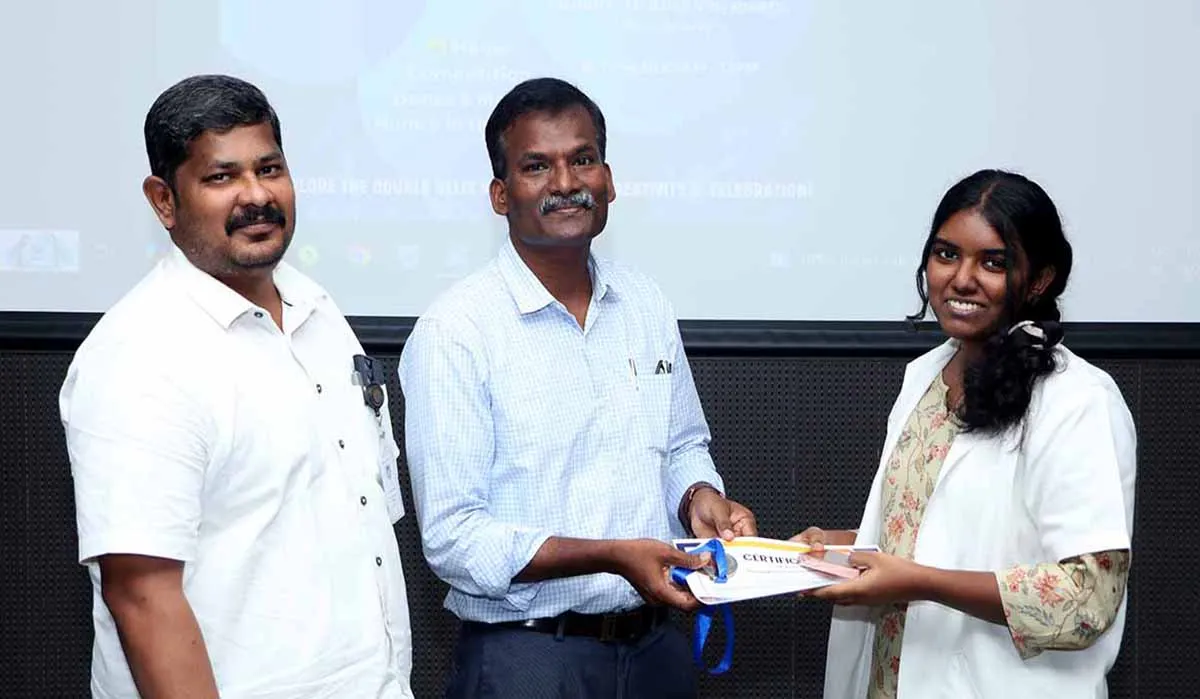
Final Round and Prize Distribution: The competition culminated in a gripping final round, where the top-performing teams battled it out for the championship title. Tension mounted as the scores were tallied, leading to an exhilarating climax. The winning team was felicitated with Medals, certificates while runners-up were also recognized for their commendable performance.
Closing Ceremony: The week concluded with a celebratory closing ceremony, where participants reflected on the significance of their contributions to healthcare and renewed their commitment to excellence. Special performances and entertainment added a festive touch to the event.
Conclusion:
Department of Biochemistry (in collabaration with IQAC) Date: 08.03.2025 Venue: Lecture Hall-5, College Block, SMVMCH
Event Name: International Women’s Day celebration – 2025 “Healthcare: A Matter of Quality-SLOGAN Competition
Organized By: Department of Bio- Chemistry
Venue: Lecture Hall V
Date: 08-03-2025
Time: 9:30A.M – 11:30 A.M
Introduction:
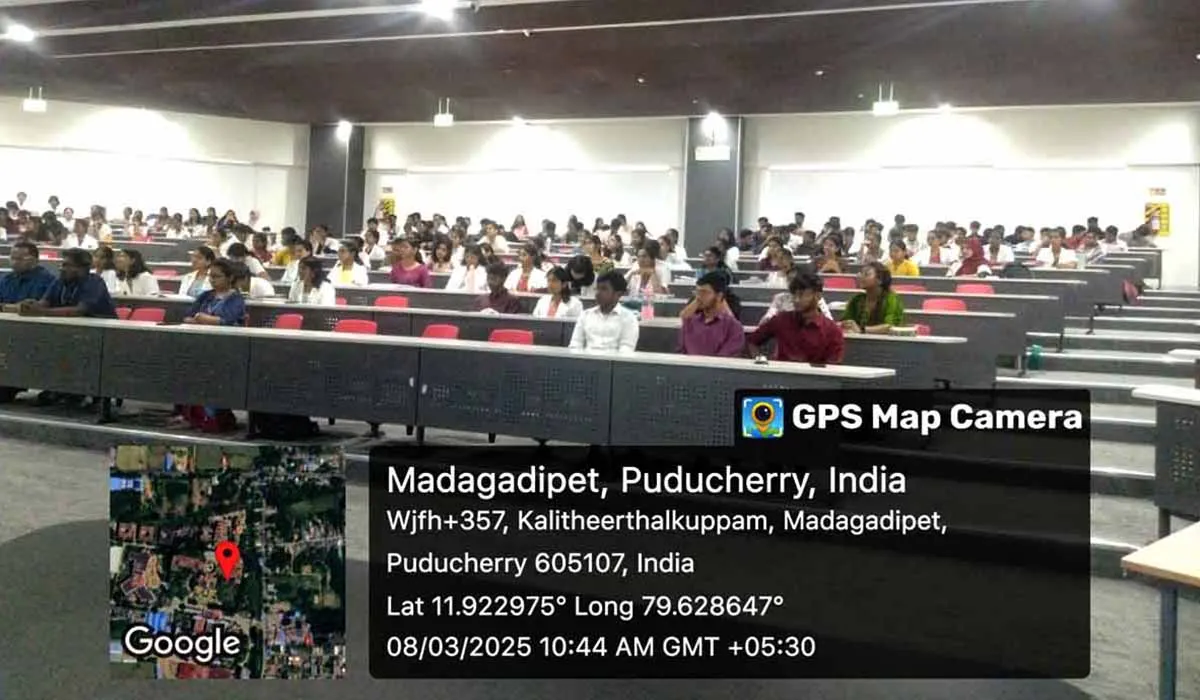
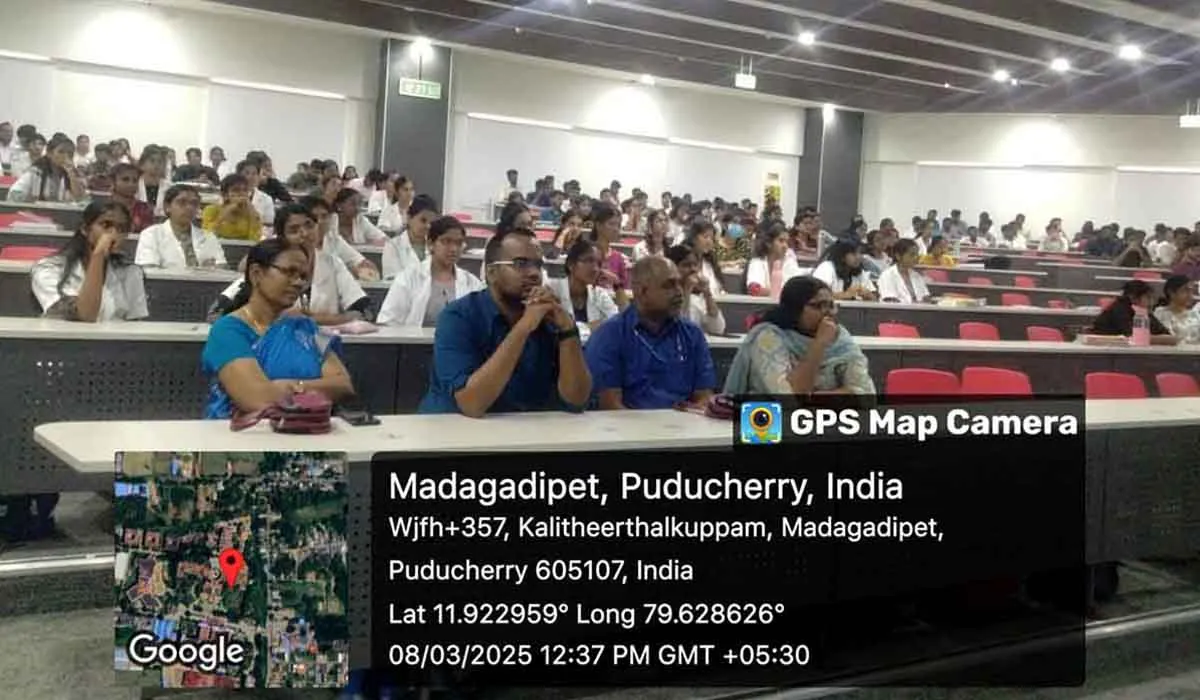
The event titled Women’s day celebration in “Healthcare: A Matter of Equality” was Vibrant and thought provoking event that brought together students, faculty and staff to celebrate women’s empowerment.
Objectives:
- Promote women’s empowerment To Encourage students to think creatively about women’s empowerment.
- Foster creativity and Innovation: To Provide a platform for students to express their thoughts and perspective on women’s empowerment in healthcare through their innovative SLOGAN
Judge:
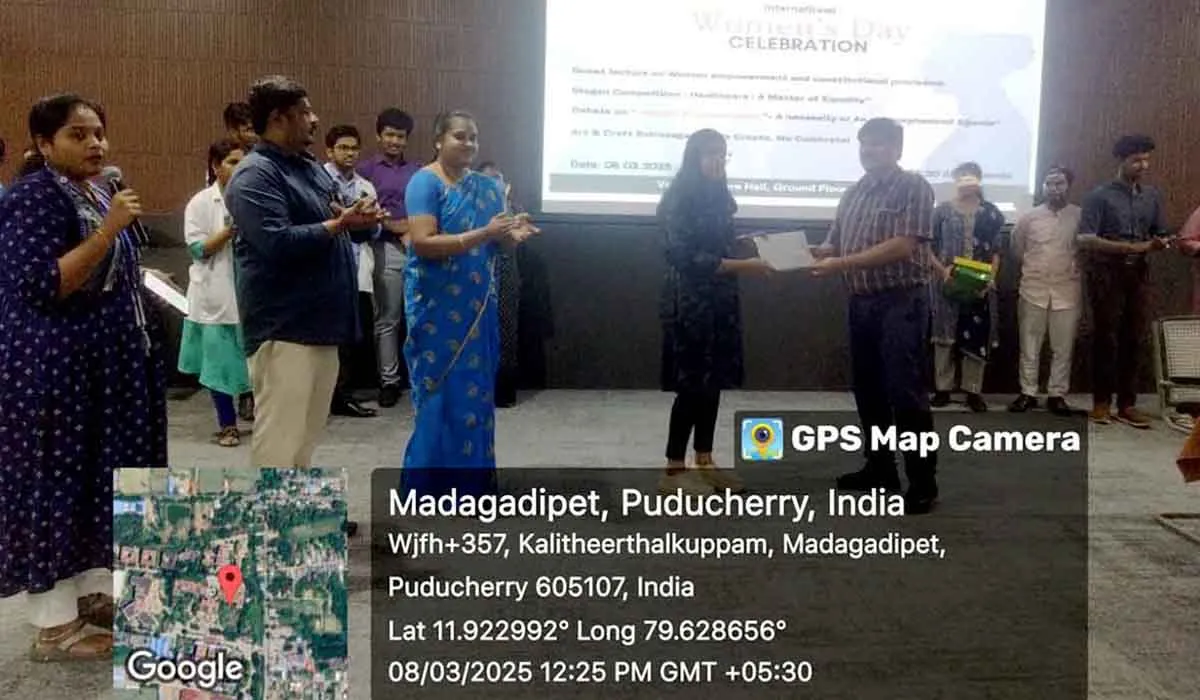
Dr. N.A.Priyadharshini, Professor Department of Anatomy, SMVMCH judged the competition. Mam Has selected two best slogan based on their creativity, relevance and Impact. 30 students has actively participated in slogan competition. From those 30 slogans two best slogans based on their creativity, relevance was selected for First and second Prize.
Winner:
Second Prize: Miss. Harshini harriet
Feedback and Evaluation
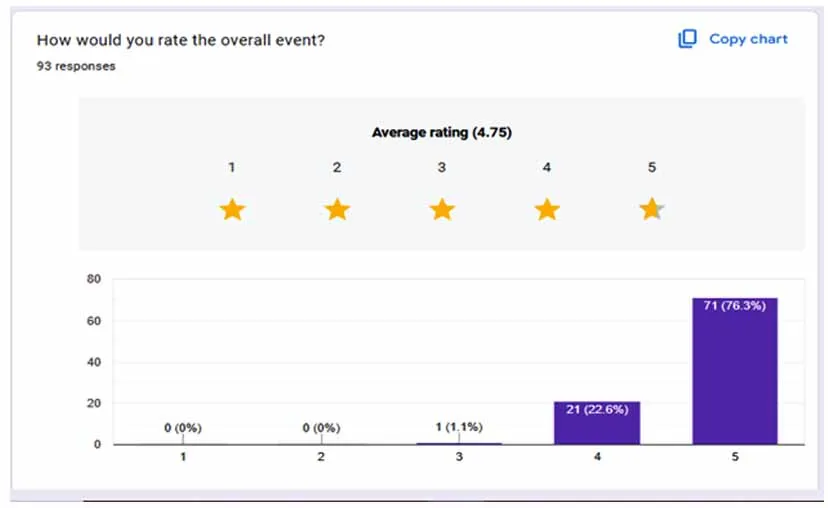
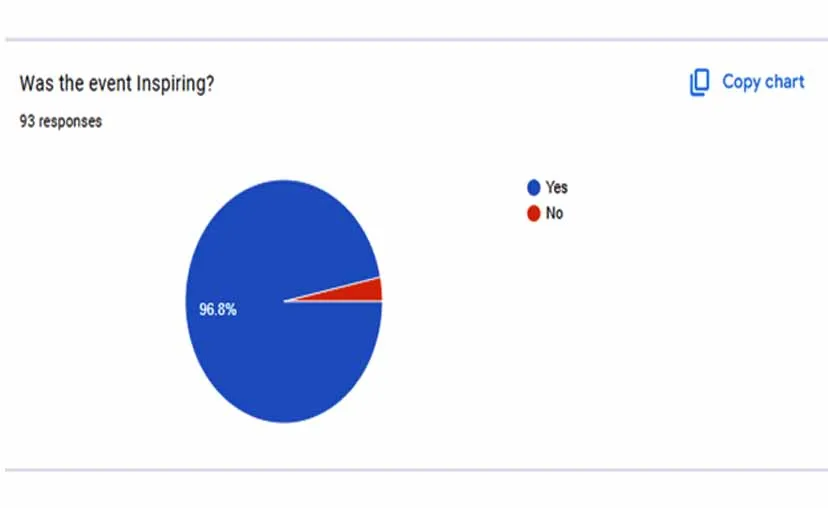
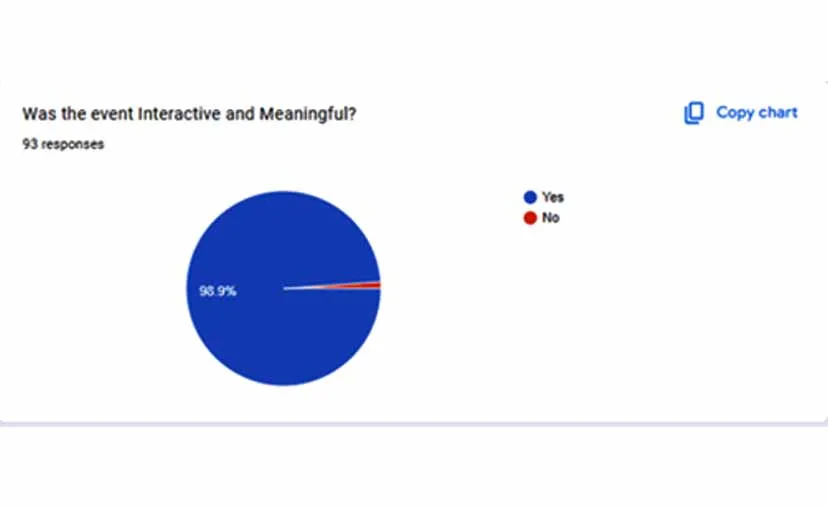
Feedback was collected through Google forms at the end of the event.
Feedback Analysis:
Conclusion
Gender Equity Program "Healthcare Equality: It's a Right"
Event Name: Gender Equity Program “Healthcare Equality: It’s a Right”
Organized By: Department of Bio-Chemistry
Venue: Lecture Hall -V
Date: 28-02-2025
Time: 8:30 A.M – 09:30 P.M
Introduction:
The event titled Gender Equity Programme in “Healthcare: It is a Right” aimed to raise awareness about the importance of gender equity in the healthcare sector. The program highlighted how gender inequality affects healthcare access, quality, and outcomes. The focus was on ensuring that healthcare is equitable, acknowledging that gender should never be a barrier to receiving the necessary care.
Activities and Highlights:
GUEST SPEAKER: Dr. Moonishaa TM MBBS, MD (Biochemistry), PGDMLE (Medical Law & Ethics), Professor, Department of Biochemistry, Srinivasan Medical College & Hospital, Trichy has delivered insightful lecture on “Healthcare Equity: It is a right”, drawing on article 17 of the universal declaration of human rights, the speaker noted that everyone has the right to health, as it is directly tied to the right to security and well-being. The speaker also highlighted the need for a gender-responsive approach to healthcare to make this right truly accessible to all genders.
Article 17 States:
Feedback and Evaluation
Feedback was collected through Google forms at the end of the event. Students rated the event highly, particularly appreciating the content of the lecture.
Feedback Analysis:
Conclusion
The Gender Equity Programme in “Healthcare: It is a Right” event highlighted the deep connection between gender equity and human rights, emphasizing that equitable healthcare is a fundamental right under the Universal Declaration of Human Rights, specifically under Article 17. The event served as a platform for robust discussions on how to dismantle systemic barriers in healthcare, ensuring all individuals, regardless of gender, have access to the care they need and deserve.
